


The Seven Sisters Cliffs are stunning on any day. But at night? Truly magical.
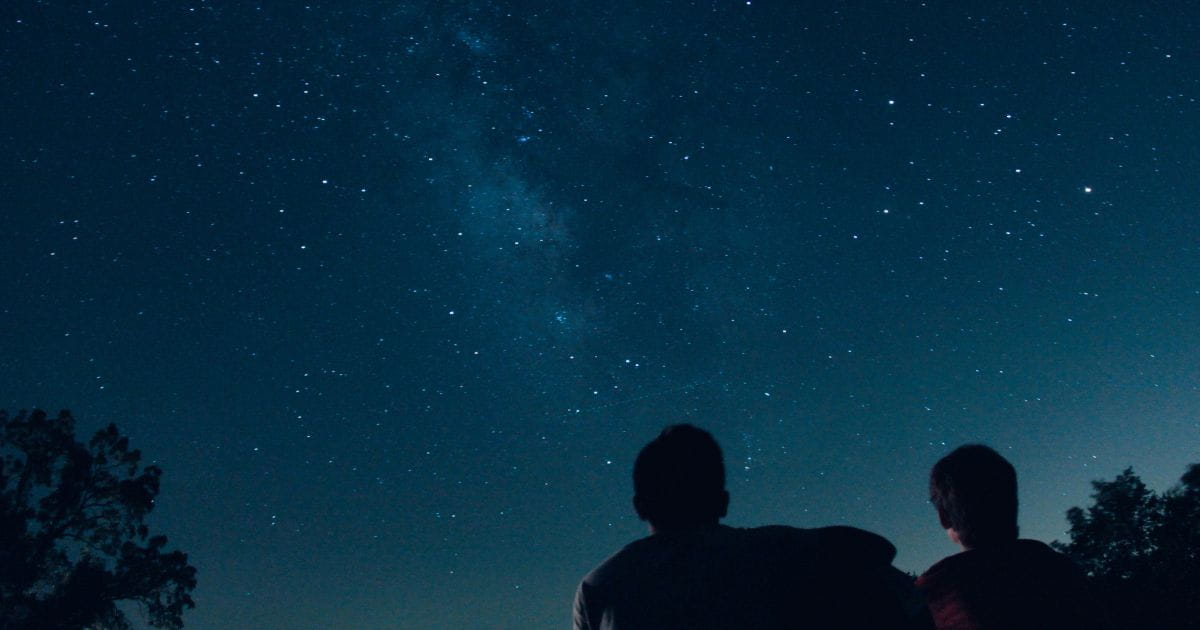
There’s something so beautiful about a clear, starry evening, with the Milky Way stretched out above and constellations twinkling like old friends. More and more people are swapping screens for stargazing and discovering the joy of astrotourism right here in the UK.
What is astrotourism?
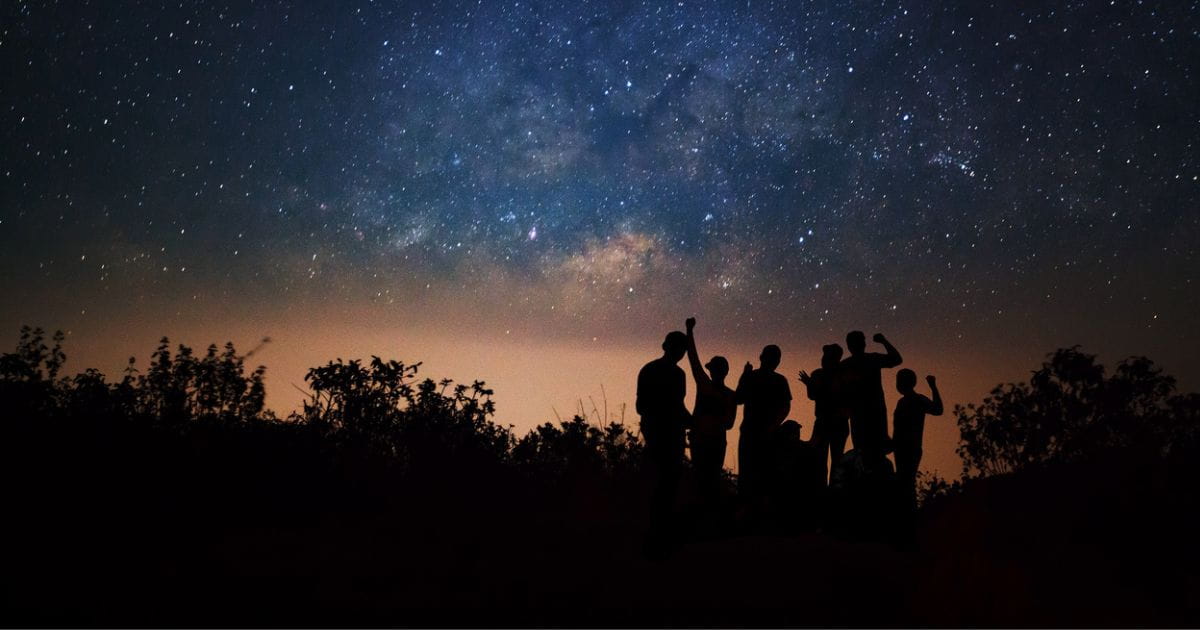
Astrotourism is all about getting out under the stars, whether that’s catching meteor showers, spotting constellations, or just losing yourself in the night sky. It’s become increasingly popular as people crave simple outdoor experiences, want a break from the glare of city lights, and enjoy events and dark sky areas that make spotting stars easier and more magical.
Why has astrotourism become so popular?
Astrotourism has taken off as more people look for travel experiences that feel restorative, meaningful, and rooted in the natural world. According to International Investment , interest in astronomy-focused travel has risen by more than 300 per cent since 2022, with 58 per cent of travellers saying they would consider a trip built around night-sky experiences.
Euronews Travel reports that specialist astrotourism operators have seen demand accelerate rapidly, with some trip providers tripling their capacity between 2022 and 2024, and major eclipse tours for 2026 and 2027 are already more than 75 per cent booked.
The surge is being fuelled by headline celestial events such as eclipses and meteor showers, alongside a growing awareness of light pollution and the expansion of officially protected dark sky parks and reserves. Together, they’ve made stargazing feel more accessible and more special, even for people with no prior interest in astronomy.
What astronomical events are taking place in 2026?
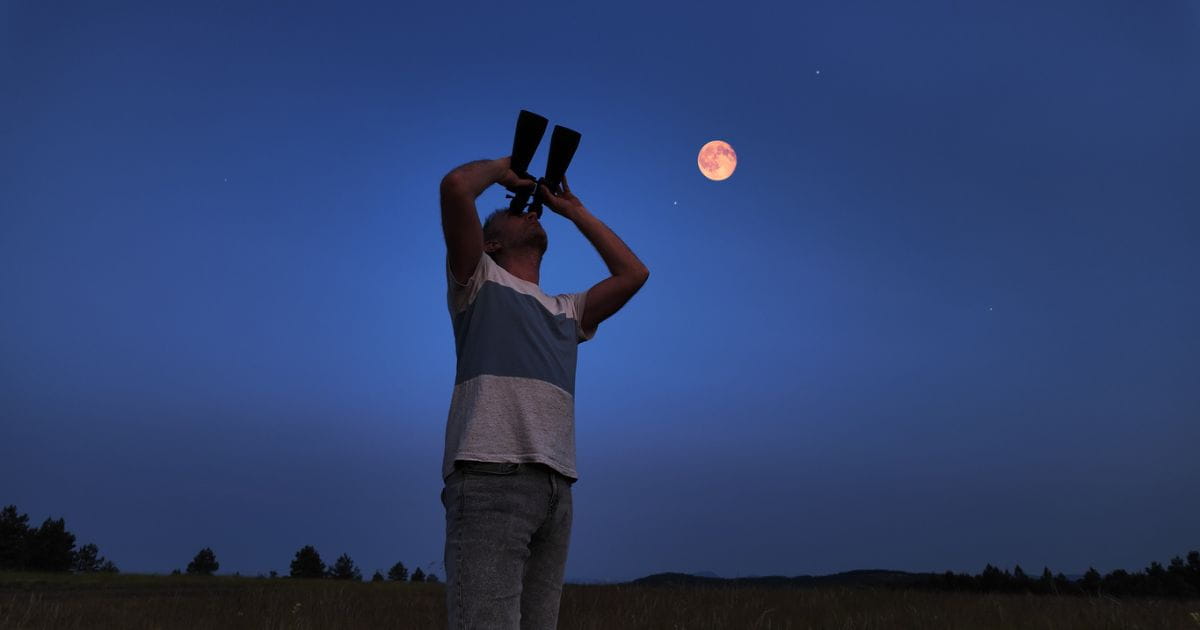
In 2026, skywatchers have plenty to look forward to, from bright moons to meteor showers and eclipses. The year’s full moons include the January 3 Wolf Moon, which will also be a supermoon, a Blue Moon (second full moon in May on May 31), and another supermoon on December 24. Several meteor showers promise displays:
Major meteor showers in 2026
| Shower Type | Peak Date in 2026 | Notes |
|---|---|---|
| Quadrantids | 3–4 Jan | Strong winter display |
| Eta Aquariids | 5–6 May | Best seen near dawn |
| Perseids | 12–13 August | One of the most popular |
| Leonids | 17–18 November | More moderate |
| Geminids | 13–14 December | Strong winter display |
Where are the best places for stargazing in the UK?
The good news is you don’t have to travel far to have incredible dark sky experiences. Every February, the South Downs National Park celebrates its status as an International Dark Sky Reserve with the South Downs Dark Skies Festival , a ten-day celebration of all things stargazing. The festival includes free stargazing sessions and “star parties,” guided night walks, planet-scale trails at places like Seven Sisters Country Park, talks from astronomy groups, VR and astrophotography activities, and events designed for families and curious stargazers of all ages.
The next festival is taking place between Thursday 12 and Sunday 22 February 2026, and will be an extra special occasion as the park celebrates 10 years as an International Dark Sky Reserve. It’s a great way to experience the night sky with community energy, expert guidance, and special activities that make the cosmos feel close and alive.
Here are some of the best stargazing spots and events that you can reach by train on the Southern Railway network.
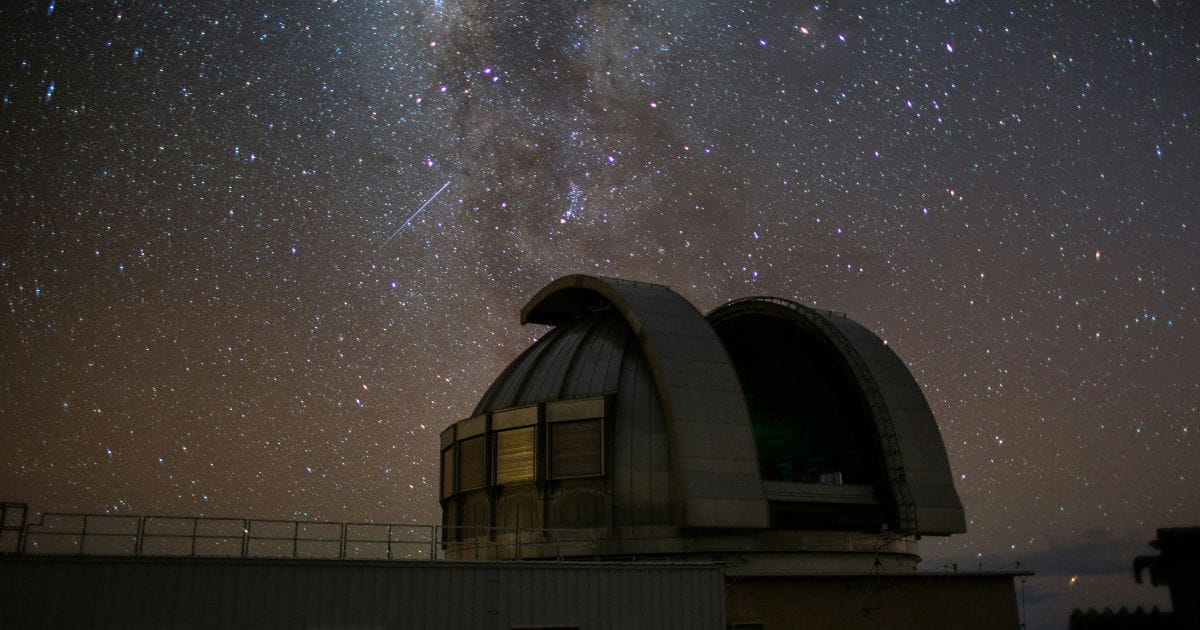
The Observatory Science Centre, Herstmonceux
Nearest Southern station: Polegate
This historic astronomy hub in East Sussex runs special stargazing evenings and themed night-sky events throughout the year, where you can look through some of the country’s largest telescopes and enjoy guided views of planets, stars, and deep-sky objects with expert commentary. If clouds roll in, planetarium shows and expert talks keep the night engaging too, so you come away understanding even more about what you’ve seen.
Helen Garden, Eastbourne
Nearest Southern station: Eastbourne
On 24 January and 21 February 2026, Eastbourne Astronomical Society will be putting on a special stargazing event . Using the society’s telescopes to explore the craters on the moon, it is also hoped constellations of the night sky will be observable too. There will be a telescope specially set up for viewing Saturn, where visitors will be able to see the rings and clouds bands. Other telescopes will be taking images of The Andromeda Galaxy and The ‘Seven Sisters’, which is a blue open cluster of stars.
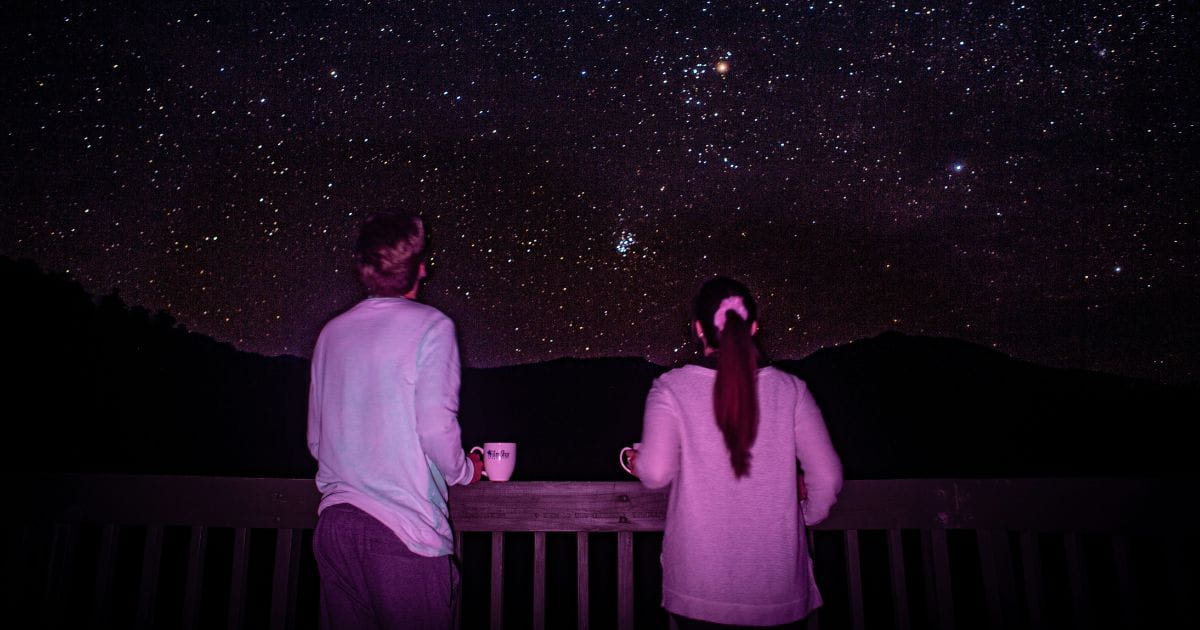
Bignor Hill Dark Sky Discovery Site
Nearest Southern station: Pulborough
One of the South Downs ’ most celebrated dark sky spots, Bignor Hill sits above Pulborough and offers expansive horizons ideal for seeing stars and the Milky Way on clear nights. The nearby station makes this an easy rail-ready adventure.
Ditchling Beacon
Nearest Southern station: Hassocks or Lewes
On the South Downs ridge, Ditchling Beacon is an official Dark Sky Discovery Site with elevated views. Hassocks and Lewes are both on the Southern network, and from there a short taxi, bike ride, or walk into the Downs leads you to gorgeously dark skies.
Devil’s Dyke
Nearest Southern station: Brighton
Easily reached from Brighton, Devil’s Dyke is part of the South Downs International Dark Sky Reserve. After a scenic train ride to Brighton, a short onward journey takes you to this broad valley where light pollution fades and stars appear bright.
Firle Beacon
Nearest Southern station: Southease
From Southease station , you can walk up to Firle Beacon above the village of Firle. It’s not an official Dark Sky Discovery Site, but open Downs and distance from major towns give good darkness for stargazing.
Seven Sisters Country Park
Nearest Southern station: Seaford or Eastbourne
A train to Seaford puts you close to the chalk cliffs of Seven Sisters Country Park . On a clear night, this area’s relative seclusion from urban lights makes it a strong local choice for star gazing.
Top tips for stargazing
For best results, aim for nights near a new moon and check weather and light pollution maps before you go. Pack warm layers and a head torch with a red filter, and give your eyes 20 minutes to adapt once you arrive.
