


Spanning 100 miles from Winchester to Eastbourne, the South Downs Way takes you through a landscape of rolling farmland, grassy valleys, and postcard-perfect villages. While walking this beloved National Trail, you’ll pass Iron Age hillforts, wildflower meadows, chalk cliffs, and some of the best pub gardens in the country. Thanks to its brilliant access by train, you don’t have to walk it all in one go - unless, of course, you want to.
Here’s everything you need to know to plan your adventure on the South Downs Way, from the best time to walk it, whether you can bike it, and some suggested itineraries for tackling this mammoth, and glorious, slice of English countryside.
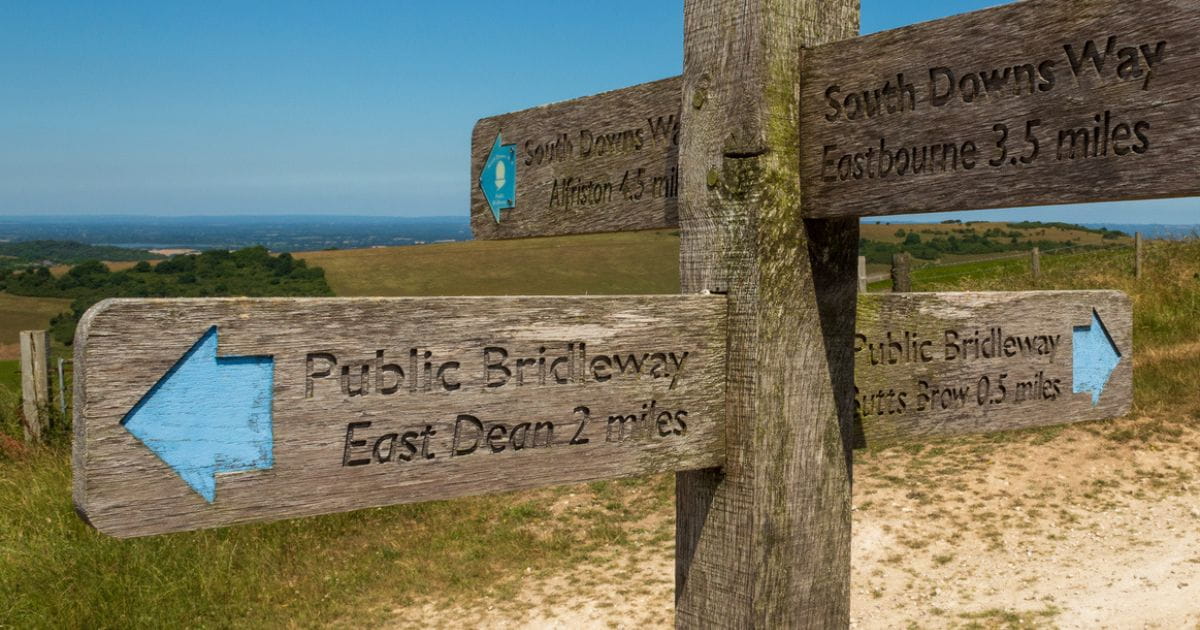
How long is the South Downs Way?
The full route of the South Downs Way is 100 miles (160 km) long. Most walkers take six to eight days to complete it, averaging between 12 and 17 miles a day. But there’s no set rule. You can split the route into bite-sized chunks over weekends, or take two leisurely weeks to soak up the views and spend long afternoons in country pubs. Whether you do it all at once or in pieces, the views remain spectacular and the ever-changing scenery and terrain is perfect company.
When is the best time to walk the South Downs Way?
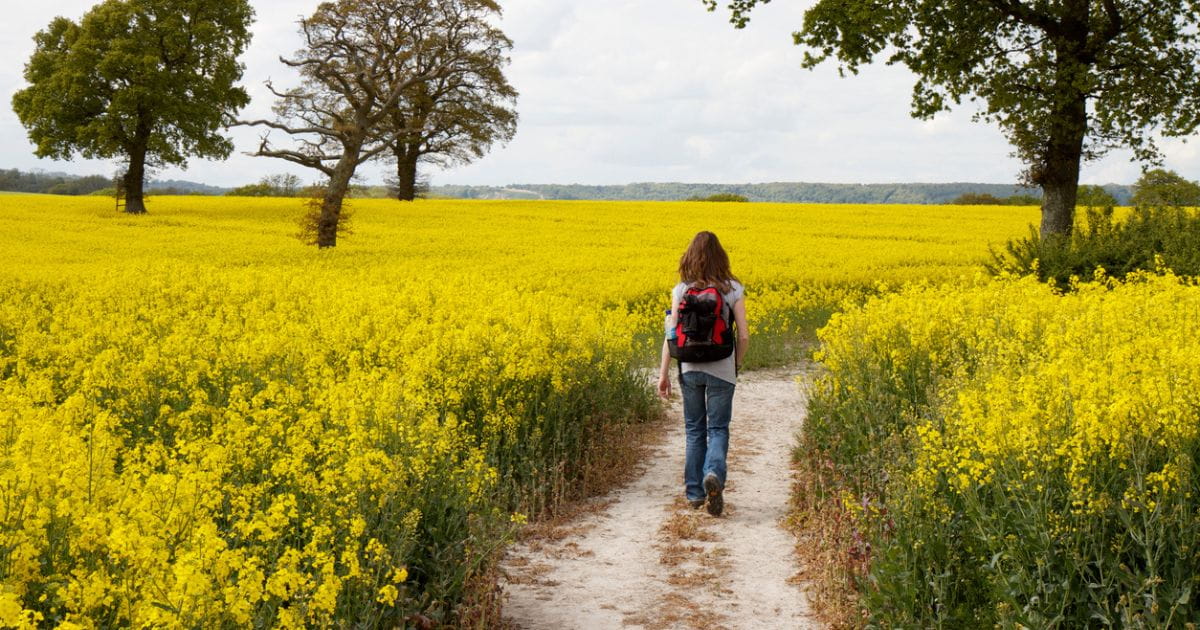
Late spring (May to early June) is one of the best times to walk the South Downs Way. Wildflowers are blooming, hedgerows are alive with birdsong, and lambs are frolicking in the fields. Early autumn (September) is another sweet spot, with a quieter feel, golden-hued sunsets, and that sense of calm that follows summer.
July and August can be beautiful, but expect busier paths and a hot sun on your back. In winter, the downs can be stunning in a moody, brooding sort of way, but also muddy, windy, and exposed. Not for the faint-hearted (or ill-prepared).
Can you cycle the South Downs Way?
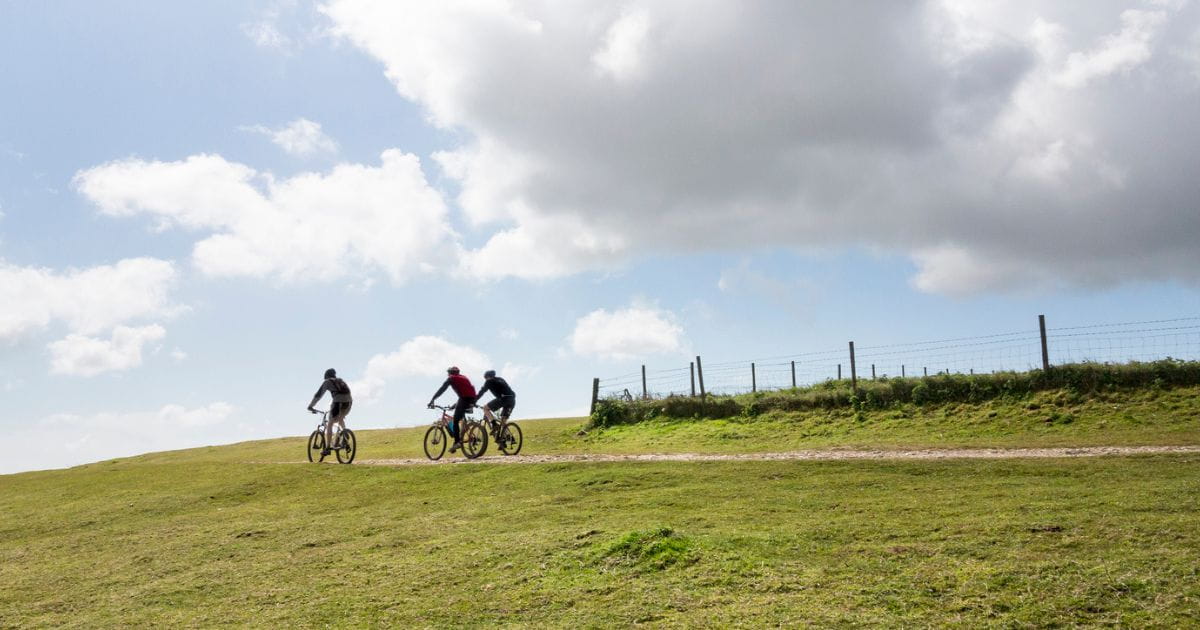
Yes you can cycle the South Downs Way. It’s one of the few National Trails fully open to cyclists. But be warned: it’s not a gentle Sunday spin. You’ll need a mountain bike or gravel bike, and some of the climbs are no joke. But if you’re up for the challenge, it’s an unforgettable ride, with fast descents, hidden bridleways, and spectacular views.
You’ll be sharing the trail with walkers and sometimes horses, so good trail etiquette is key. You can bring a regular full-sized (non fold-up) bike on Southern Railway trains, except for at peak times, some summer weekends, and after large cycle events. Full information on bringing your bike on the train can be found on the Southern Railway website.
South Downs Way route
The South Downs Way is well waymarked, so it’s easy to follow and you won’t need a map for much of it. Popular route sections include Winchester to Exton, Amberley to Devil’s Dyke, and Alfriston to Eastbourne via Beachy Head. The trail is accessible by public transport at several points, making it easy to walk in stages. Whether you’re planning to hike the entire South Downs Way or just enjoy a day walk, this route showcases the best of southern England’s natural beauty.
One of the best ways to experience the South Downs Way is with the Go Jauntly app. It has a great selection of circular walks that take in highlights of the South Downs Way. The app is especially useful for families, casual walkers or anyone wanting a taste of the trail without committing to a full day. Try the Seven Sisters loop, or a gentle ramble around Devil’s Dyke, all with photo wayfinding and local stories built in.
Where does the South Downs end?
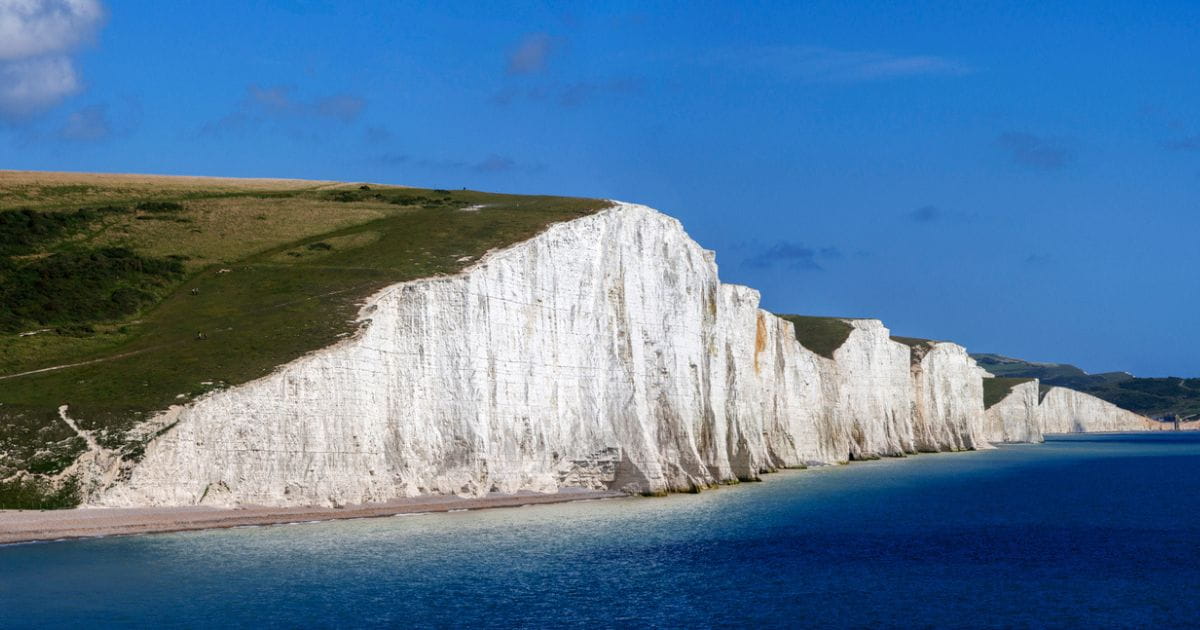
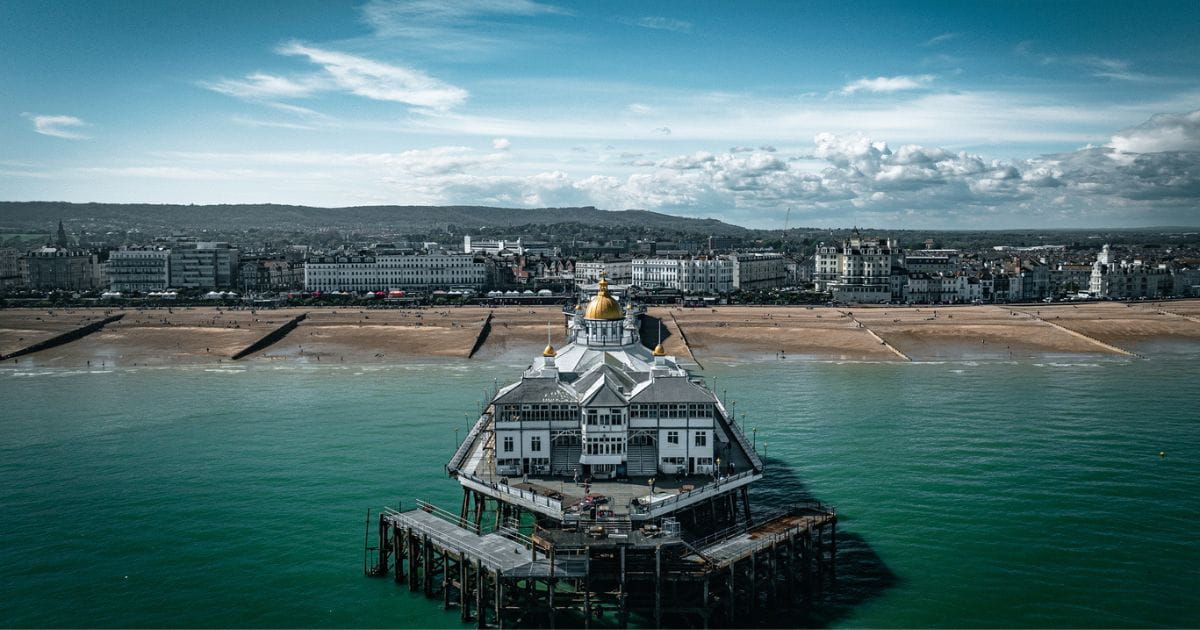
The South Downs end in Eastbourne, East Sussex, where rolling chalk hills meet the cliffs of Beachy Head and the English Channel. This coastal town marks the eastern end of the South Downs Way. Most walkers tackle the route west to east, starting in Winchester and finishing their journey at Eastbourne’s seafront with views over the sea and surrounding downland. With its iconic white cliffs, panoramic scenery and good transport links, Eastbourne is widely considered the true end point of the South Downs.
South Downs Way itinerary
Here’s a suggested South Downs Way itinerary, which splits the 100-mile route into manageable chunks.
Day 1: Winchester to Old Winchester Hill
Distance: 13 miles
Kick things off in Winchester, a city full of medieval charm. The trail climbs out through the Itchen Valley and up past St Catherine’s Hill, offering your first big views. You’ll cross chalky farmland to Old Winchester Hill, where there are some tough climbs but you’re rewarded with spectacular views. This section can be really muddy in winter with some areas flooded in spring, so come prepared.
Day 2: Old Winchester Hill to Harting Down
Distance: 14 miles
Pass through beech woods, over Butser Hill (the highest point on the trail), and along sunlit tracks with views rolling off in every direction. Harting Down offers incredible views with grassy terrain, enchanting woodlands, and plenty of excellent picnic spots along the way.
Day 3: Harting Down to Amberley
Distance: 22 miles
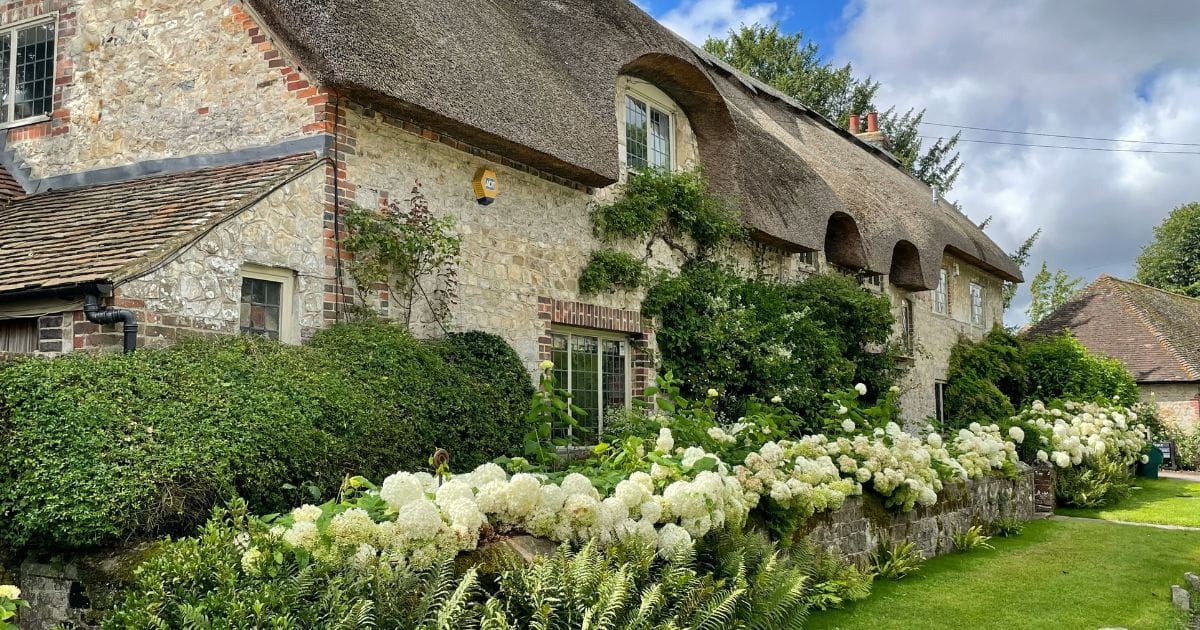
This is a bigger section, but with bigger views. The view down into Petersfield from Harting Down is gorgeous, while the gentle, grassy terrain will feel good under foot. Pass ancient burial mounds, sweeping grassy gorges, and into pleasant woodland where you might spot people on horses emerging from the trees or galloping freely into the distance. Once you arrive in Amberley, make sure to explore this gorgeously quaint village, and then head to Amberley railway station – which is only a couple of minutes from the South Downs Way trail – to catch your train home (or to your next destination).
Day 4: Amberley to Beeding Hill
Distance: 13 miles
A short climb from the charming village of Amberley back up onto the downs will reward you with incredible and inspiring views. Walk through hedgerows, pig farms and across undulating hills with 360-degree views all around. A real highlight of this section is Chanctonbury Ring, a pre-historic hill fort which makes for the perfect picnic stop.
Day 5: Beeding Hill to Lewes
Distance: 15 miles
The section from Beeding Hill to Lewes takes in famous sights like Devil’s Dyke and Ditchling Beacon. Gaze at the paragliders wafting through in the air and take in the downs at their absolute best. This section is raw, unfiltered, and can feel wild on a windy day. When getting the train home, you can choose from Southease railway station, which is right on the South Downs Way, or Lewes, which has regular services to London and other destinations.
Day 6: Lewes to Eastbourne
Distance: 16 miles
The grand finale. As you walk from Lewes to Eastbourne, you’re gifted with stunning views of the glistening sea in the distance. The end is in sight as you cross grassy, undulating hills towards the white cliffs. A final descent takes you into Eastbourne, where independent cafes and seaside restaurants are waiting to serve you up some well-deserved food and drink. Eastbourne railway station is conveniently located less than two miles from the end of the South Downs Way trail, with regular trains ready to whisk you home after your big adventure.
South Downs Way accommodation
Accommodation along the South Downs Way ranges from cosy pubs-with-rooms and family-run B&Bs to camping barns, hostels and wild-feel campsites. In larger towns like Lewes or Winchester, you’ll find boutique hotels and more options. In the villages, it’s all about local character: low-beamed ceilings, log fires, and breakfast tables piled with eggs, jam and toast.
Top tip: book ahead in summer, especially in places like Alfriston and Amberley. These places fill up fast - and for good reason.