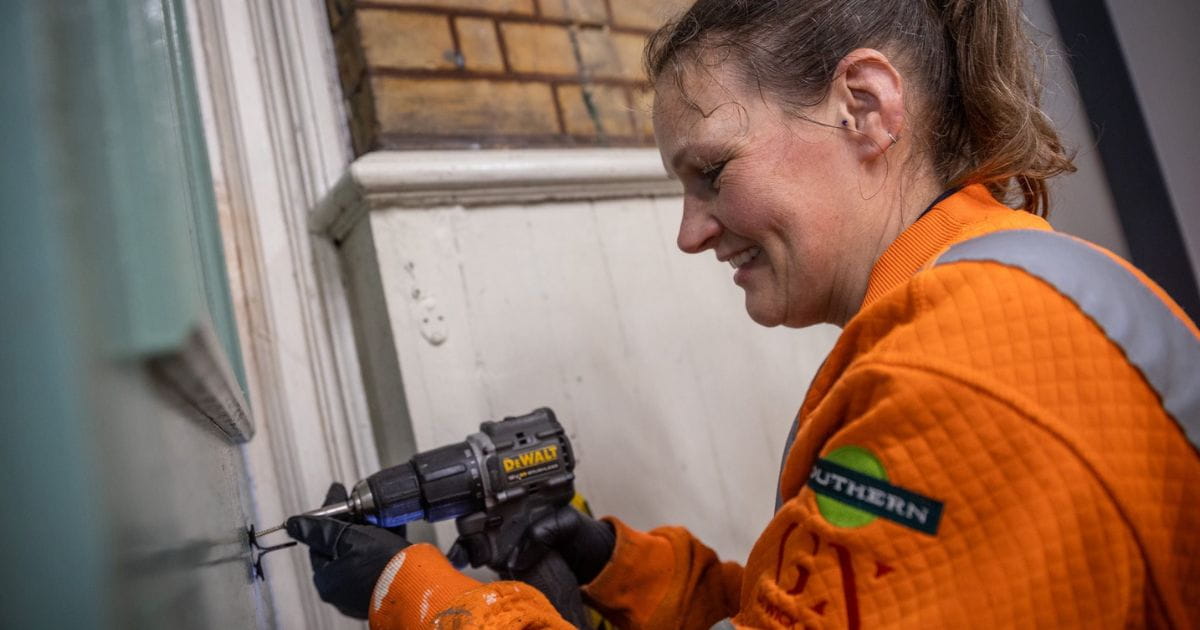
I’m so used to early starts that even on my days off I still wake up early. It’s completely wired into me now.
I worked in admin and accounting for 20 years and built a solid career there, but I was always someone who preferred being hands on. At home, I refitted our kitchen, renovated the bathroom and took on any practical job that needed doing. I’ve always loved figuring out how things work and how they can be improved, and more and more I found myself wondering what it would look like if I turned that interest into something bigger.
The only thing that stopped me was qualifications. I didn’t have formal training in a trade, and I knew that if I wanted to move into skilled maintenance, I needed recognised credentials to back up what I’d taught myself over the years.
When I was made redundant from my admin role, it could have knocked my confidence. Instead, it became the moment I decided to change direction.
Retraining and building confidence
My husband, who’s a veteran, came across a workshop run by Building Heroes, a charity that reskills veterans and military families in maintenance, construction and the trades. It immediately caught my attention because I was already thinking about gaining qualifications in skilled maintenance.
At the beginning, I did experience imposter syndrome. All my practical knowledge had come from home improvement books and years of projects at home, and I questioned whether that would measure up in a formal setting. Completing the course didn’t just give me technical skills, it gave me validation. It showed me that self-taught experience still counts, and that I was more capable than I’d allowed myself to believe.
While I was gaining my qualification, I met colleagues from Southern Railway. After graduating, a manager invited me to interview, and six years later I’m still proud to be part of the team.
A role that’s practical and purposeful
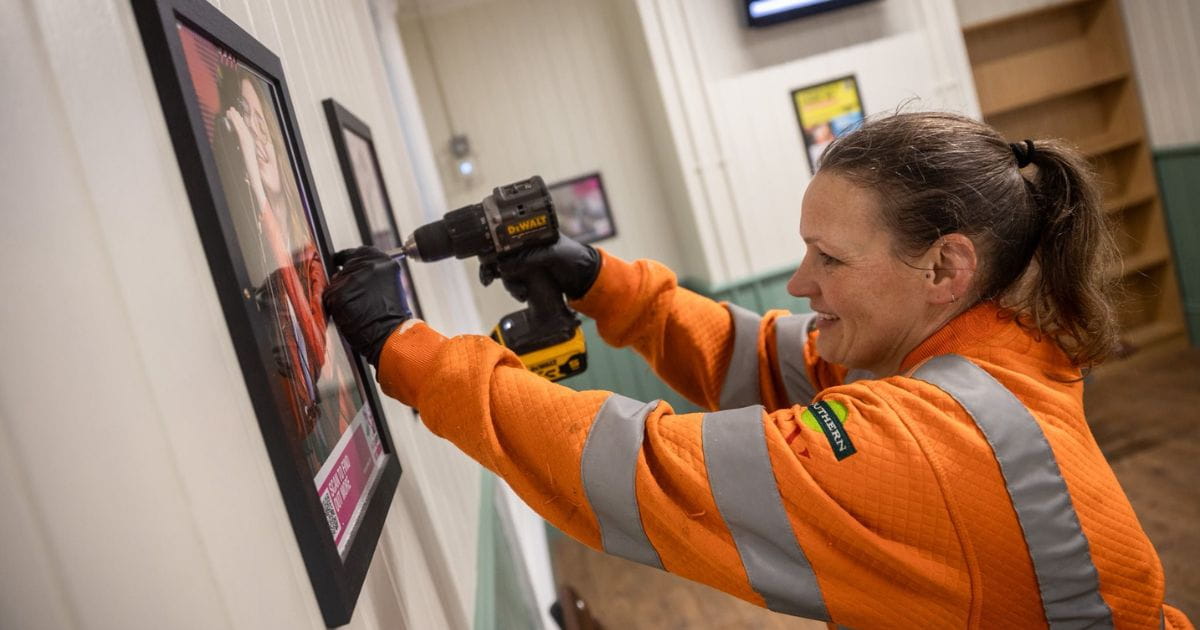
What I value most about working in skilled maintenance is the variety. My role involves maintaining railway stations, platforms and station buildings, and the tasks can range from repairing poster frames and signage to fixing locks or taking on larger projects like installing new flooring and repainting walls.
There’s also a real community element to what we do. We’ve supported local initiatives, including donating poster frames to Shoreham Fort, and it’s rewarding to see our work have an impact beyond the day-to-day running of stations.
A typical day starts at 6am. I review the jobs scheduled across different locations and plan the most efficient way to tackle them. It’s not just about practical skill, it’s about organisation, forward planning and solving problems as they arise. I enjoy the independence that comes with that responsibility, as well as the opportunity to visit different stations and meet people across the business.
No two days feel the same, and that’s exactly what keeps it interesting.
Growing into leadership
Alongside my role, I’m currently completing a Women in Leadership apprenticeship because I wanted to keep developing and contribute more widely within the company. I’ve always believed that growth shouldn’t stop once you settle into a job, and this programme has pushed me to think differently and challenge myself.
The apprenticeship runs for 15 months and includes workshops, masterclasses and an assessment at the end. One of the projects I worked on focused on improving accessibility for passengers, which gave me the chance to look at our stations from a broader perspective and consider how we can better serve the communities around them.
One of the biggest benefits has been connecting with colleagues from across the wider business. It strengthened my confidence and reminded me that stepping forward and sharing ideas is part of progress.
Navigating challenges with confidence
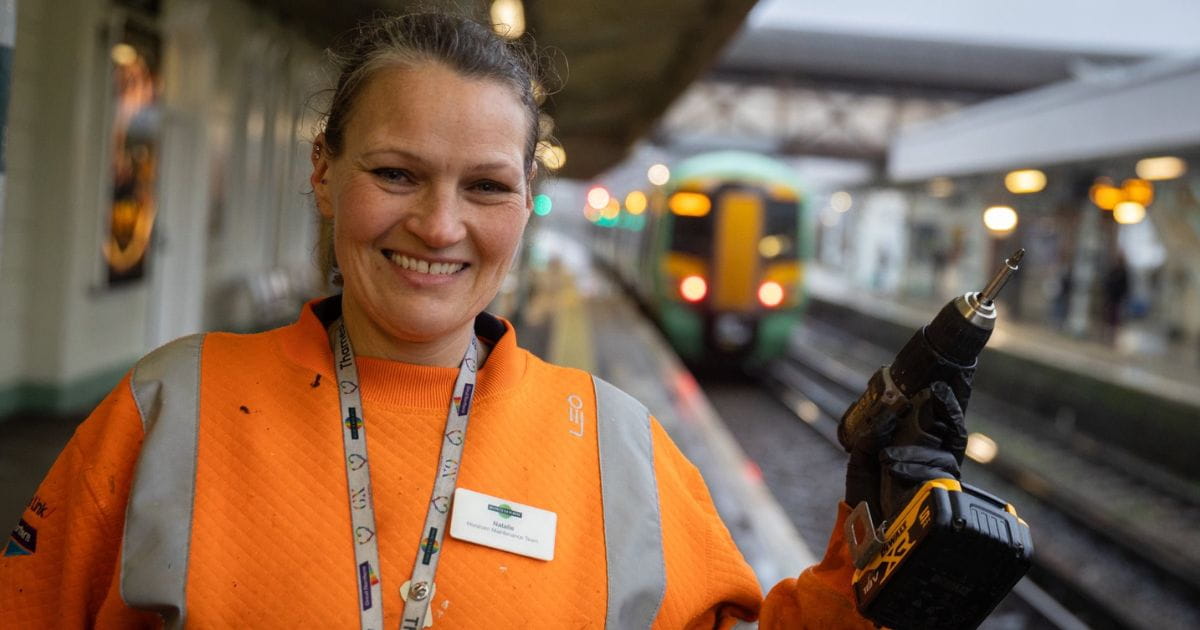
Working in skilled maintenance means being in a male-dominated environment, and there have been times when people have questioned my competency or suggested a different approach before fully understanding what I’m doing. When that happens, I stay professional and explain the method I’ve chosen and why it works.
Support from my team makes a real difference too. We collaborate closely and recognise each other’s strengths. At Brighton railway station, for example, we were carrying out work at height. I hold scaffolding and working-at-height qualifications, so I took the lead on that part of the job while colleagues supported in other ways. On another day, I might need help with a different aspect of a task, and that mutual support is what makes the team strong.
Looking ahead and encouraging others
In the future, I’d love to use the qualifications and experience I’ve gained in a voluntary capacity, both to give something back and to keep my skills sharp. I’m also open to stepping into a leadership role when the right opportunity comes along because I feel ready to take on that responsibility.
One of the things I appreciate most about working at Southern is the inclusive culture. I’m involved in several employee networks, and there’s a genuine sense that people are welcomed and supported. When you feel valued, it motivates you to invest even more into your work and the people around you.
My advice to any woman considering a role in a male-dominated industry is to back yourself and take the opportunity if it comes up. You don’t need to fit a mould to succeed in skilled maintenance or in rail. Different perspectives, approaches and strengths make teams better.
I spent two decades in a completely different field before changing direction, and that experience has only strengthened what I bring to my role today. Skilled maintenance is about capability, commitment and teamwork. There’s real opportunity here, and I’d genuinely love to see more women step forward and build careers in this space.