


Every winter, I have to make a real effort to get outside. Where I live isn’t the most inspiring place (in a built-up area between two industrial estates), so it can be difficult for me to get motivated to head outside for a walk. That’s why I decided that this winter I would set myself a challenge to go out for a walk every day.
The key to making it work was discovering the Go Jauntly app. Instead of stomping the same grey pavements or just skipping going outside altogether, I found myself exploring new corners of my town, and heading far enough by train to discover somewhere totally new.
Go Jauntly offers loads of walk suggestions, from gentle strolls through parks to full‑on woodland rambles. Each day brought something different so it didn’t feel boring and I was able to keep up the momentum.
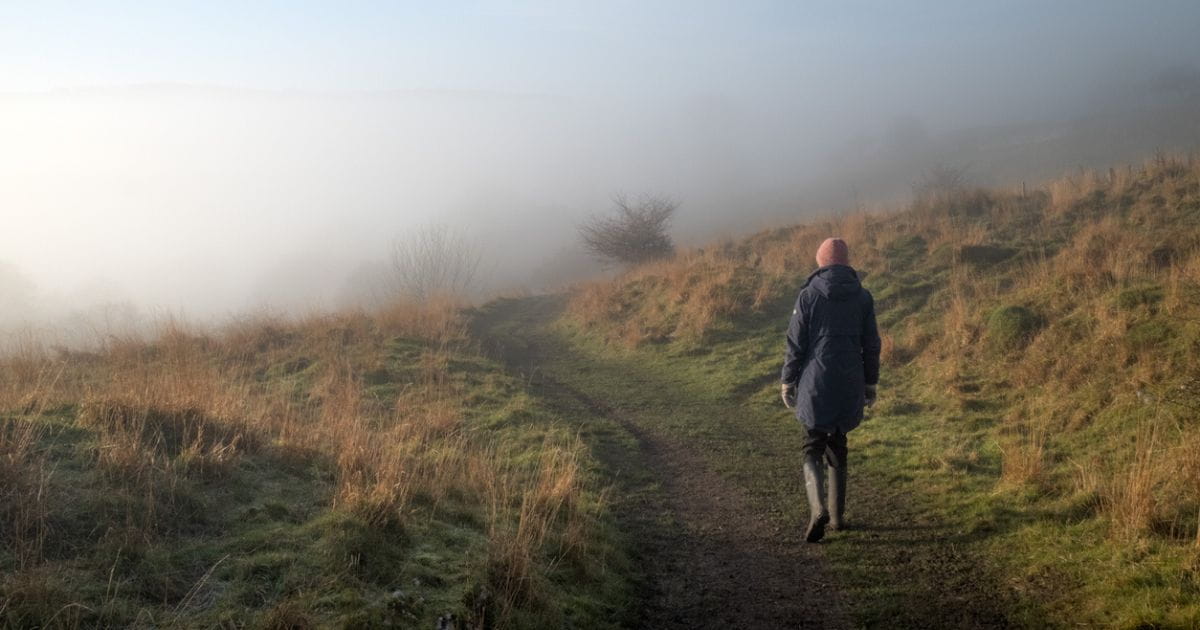
Because of that variety, what started as a small challenge quickly became something I looked forward to each day. When it was grey and raining (you know those winter days when it doesn’t even really get light) I would search the app, scroll through a few walks, and pick a route that really excited me.
Over the course of several weeks, I began to notice real changes. Here’s what surprised me most.
Read more: Discover the best Uckfield walks, from woodland to waterfalls
What changed for me
First, my mood. Even on the dreariest days, getting out for even just a 20‑ or 30‑minute walk helped. Within a few days I had started to look forward to my daily walk: it was like a reset button. There is growing research showing walking helps reduce stress, boost mood, and improve overall mental well‑being.
Walking outdoors does more than get your blood flowing. It triggers the release of endorphins and helps regulate your stress response. When you add green spaces or fresh air, the effect is even stronger.
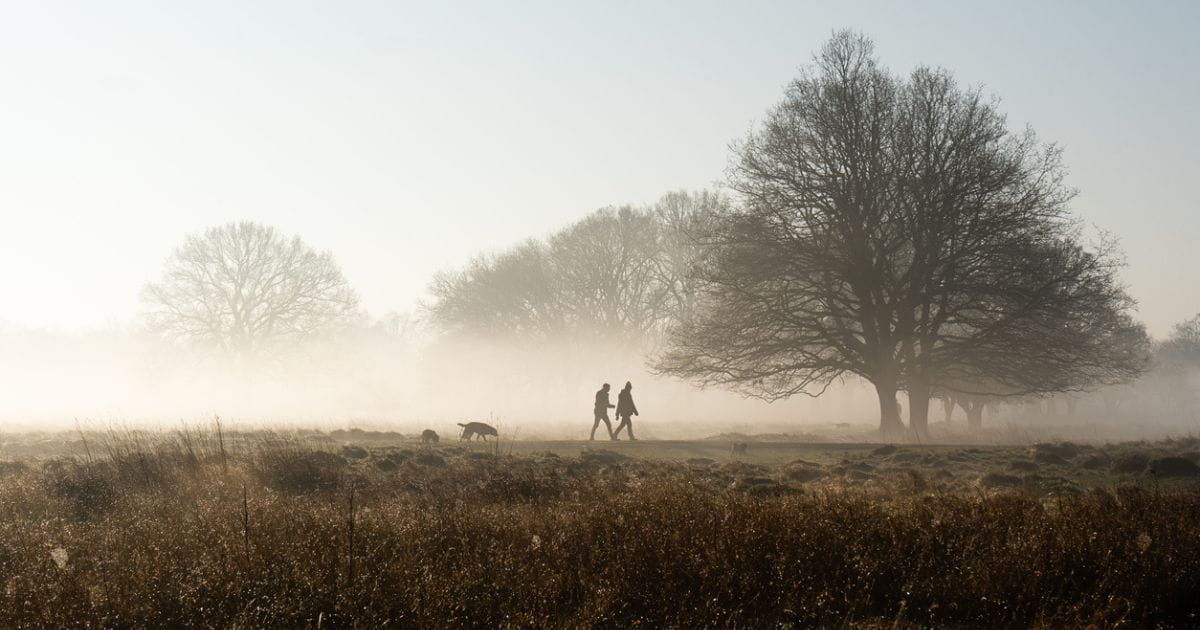
Second, I began sleeping better and feeling more grounded. On walks, I’d consciously slow down, breathe deeply, notice sounds and light and how nature changed as winter settled in. That helped calm my mind before bed and made the nights a bit easier. Research suggests walking can improve sleep quality and bring mental clarity simply by shifting blood flow and lowering stress.
Third, I felt more resilient. When something stressful happened like a difficult day at work, gloomy weather, or just tiredness, I had this tool: put on my coat, open the Go Jauntly app, pick a walk, and step outside. It felt like claiming a piece of daylight, even if it was for just half an hour. That sense of consistency, of showing up for myself every day, built a kind of gentle self‑trust.
Read more: Top Brighton walks and hikes
Why winter especially matters (and why walking helped me through it)
Winter in the UK can be a challenge in itself. As the nights draw in, it’s easy to slip into less activity, stay indoors more, and lose momentum. As much as I personally believe that we should lean into this natural feeling of hibernation and not force our bodies and minds, I also understand that for many people winter can bring feelings of isolation and low mood, so it’s all about finding balance.
In that context, walking becomes the perfect solution to wanting to naturally slow down and get more rest, but also making sure to get out and see the daylight and interact with other people. Getting outside for even a short time brings fresh air, movement, and that all-important daylight. It nudged me out of long stretches of staying indoors staring at screens and let me reconnect with nature and life.

According to a survey by Living Streets, more than half of British walkers say they walk to boost their mental health and happiness. That rang so true for me. I wasn’t walking for fitness or to hit a step count goal, I was walking to feel a little more human when the days felt hard.
When I had the time, hopping on a train to different towns and countryside locations made a huge difference to my motivation. One of my favourite walks was a circular walk in Nuthurst Parish. I hopped on a train to Horsham and followed the route on the Go Jauntly app. It crossed streams, followed bridleways, and took me through fields and woodlands. There’s also a Westhumble to Box Hill loop which provides spectacular views and is easily accessible from Box Hill & Westhumble railway station, and Woldingham Circular which starts right at Woldingham station.
Read more: How the South Downs is supporting mental health one walk at a time
What I learned (and my advice if you want to try this too)
Walking every day doesn’t mean you have to slog out 10, 000 steps or treat it like a workout. Even an easy, 20- to 30‑minute walk once a day can shift your mood and help you feel better.
Variety matters, and that’s where Go Jauntly helped most. If I’d just walked the same street every day, it would have felt dull and I definitely would have quit. But by mixing up the routes and discovering new places, settings and scenery, I stayed interested.
It doesn’t have to be far from home. Some walks started from my front door, but others involved a short train ride so that I could reach beautiful parks, open spaces, or woodland.

Walking can offer a mental health boost that’s gentle but surprisingly powerful. For me it was a way to hold on to clarity and calm in winter.
If you are someone who dreads the dark mornings or finds winter difficult, I encourage you to try it. Download the Go Jauntly app and commit to one walk a day. Take the train if that helps you explore and keep you motivated.
You might be surprised how much walking matters. If you do try daily walking this winter, I’d love to hear how you get on.