


The Bayeux Tapestry is returning to England for the first time in 1,000 years - and it’s a big deal. Stretching for almost 70 metres, this extraordinary piece of 11th-century embroidery tells the story of the events leading up to the Norman Conquest of England in 1066.
It truly brings history to life, from Harold Godwinson’s Normandy journey to William’s invasion and the Battle of Hastings. Along the way, it captures ships and soldiers, feasts and ceremonies, horses, weapons and the people caught up in one of the most important events in English history.
Now, for the first time since it was made, the tapestry is back in England. From September 2026 until July 2027, the Bayeux Tapestry is on display at the British Museum in London as part of a historic loan agreement with France.
This a rare, possibly once-in-a-lifetime chance to stand in front of one of the medieval world’s greatest surviving works of art. You’ll get so much more out of your visit if you have walked in the footsteps of the people portrayed and actually visited the locations depicted in the tapestry. And, once you’ve seen it, you’ll want to know more.
Read more: Castles near London: best castles in Kent, Sussex and Hampshire
Bring history to life with this travel guide
What makes the Bayeux Tapestry so remarkable is that its story isn’t confined to a museum. Its embroidered scenes point towards real places in the English landscape, many of which can be visited today.
If the sight of Harold riding towards Bosham, William’s fleet approaching the Sussex coast, or the chaotic scenes of the Battle of Hastings have left you wanting more, this is your chance to bring the story to life.
With this travel guide, you can follow the tapestry by train and trace the events of 1066 through three destinations on the Southern Railway network: Bosham, Pevensey, and Hastings. Together, they offer a fascinating adventure through the opening chapters, turning point, and aftermath of the Norman invasion.
Stop 1: Bosham - Where Harold’s story begins
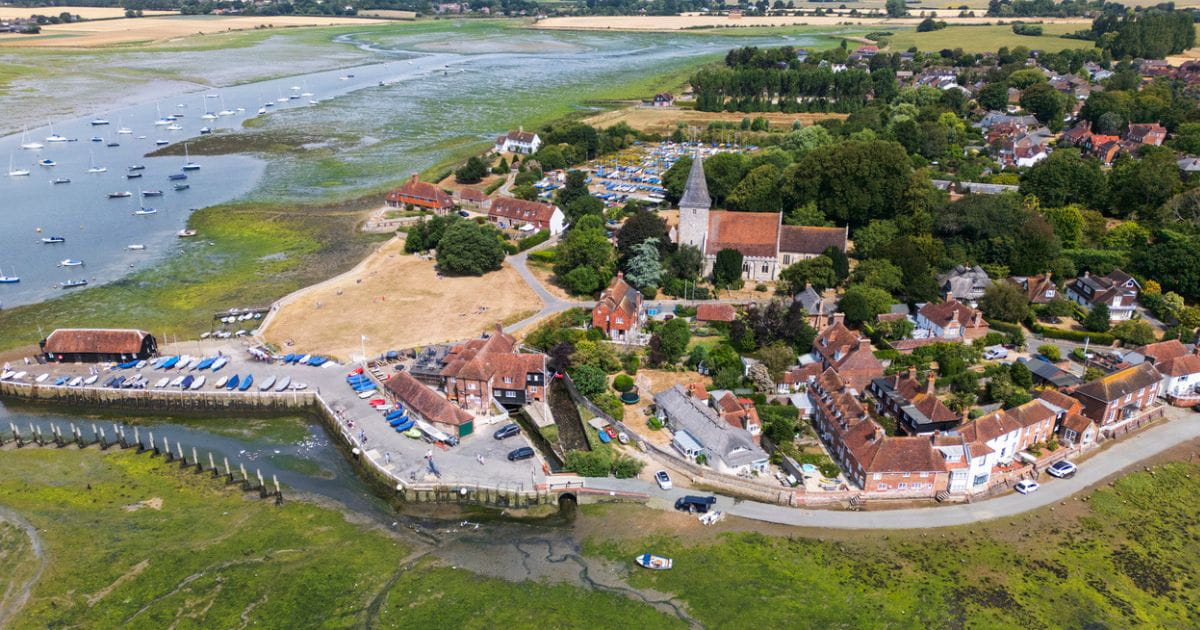
There are few places where the Bayeux Tapestry feels so closely linked to the landscape as Bosham. This quaint West Sussex village sits on Chichester Harbour and has been inhabited since Roman times.
It’s a quintessentially English village. The harbour curves around a cluster of boats, the church rises above the water, and narrow streets lead towards the shoreline. But in the tapestry, Bosham is a place of movement and excitement.
Harold Godwinson is shown riding towards the village with his followers, before entering a church and later feasting in a great hall. He then makes his way towards the water and boards a ship bound for Normandy.
Bosham was one of Harold’s principal estates and an important landmark, controlling access to Chichester Harbour. Modern archaeological research has even identified evidence for what may have been Harold’s lordly residence here, giving a remarkable physical dimension to a place already immortalised in the embroidery.
See the church depicted in the tapestry
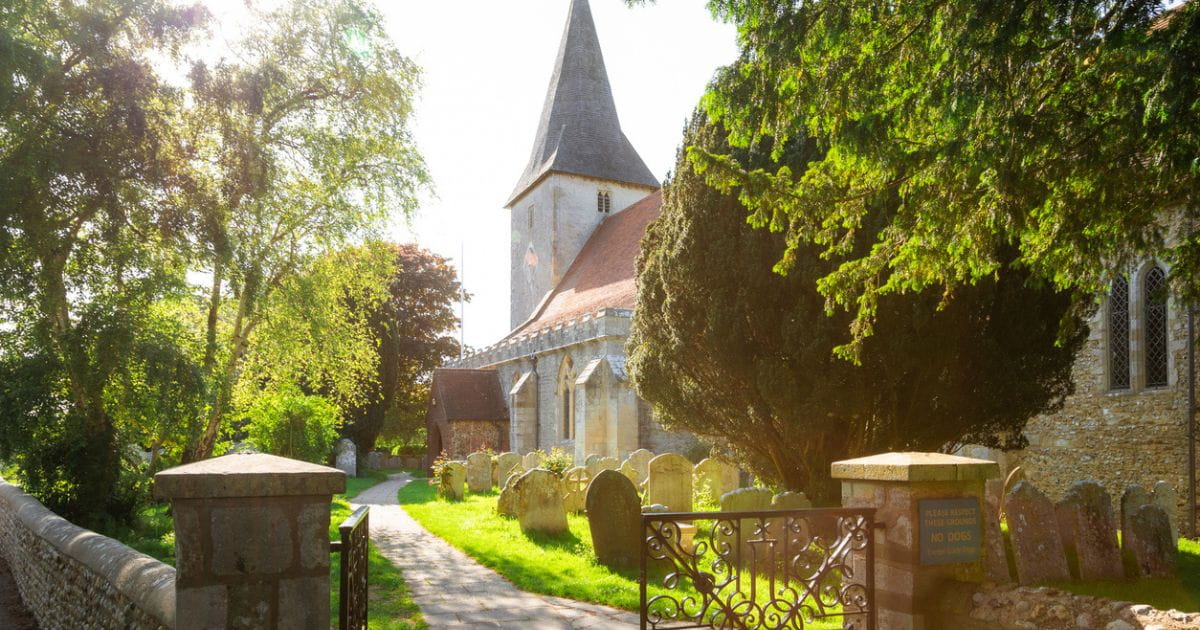
Your first stop should be Holy Trinity Church, whose origins trace back to the Saxon period and is historically linked to King Canute. Look closely and you can see why this Grade I listed church has become such an evocative part of the Bosham story.
In the tapestry, Harold is shown entering a church before his departure for Normandy. The precise location of every building depicted in the tapestry is not certain, but Bosham itself is explicitly named in the embroidered inscription, and this church is widely believed to be the one in the scene.
Inside the church, you can see a reproduction of the relevant section of the Bayeux Tapestry. Then step outside and walk down towards the harbour. You’ll be walking in the footsteps of history.
The manor house shown in the tapestry has disappeared, but recent archaeological work has made the story even more intriguing. Researchers believe they have identified the remains of a high-status timber residence at Bosham, potentially Harold’s lost home. Among the evidence was a timber-lined toilet, an unusual luxury in an 11th-century building and an indication of the status of its occupants.
- Address: The Vicarage, Bosham Lane, Bosham, Chichester PO18 8HX
- How to get there: Take a Southern train to Bosham. Once you arrive, hop on a local bus to Bosham Car Park, it only takes 5 minutes. From there, it's just a 5-minute walk to the church.
- Plan your visit: holytrinitybosham.org.uk
Walk the harbour
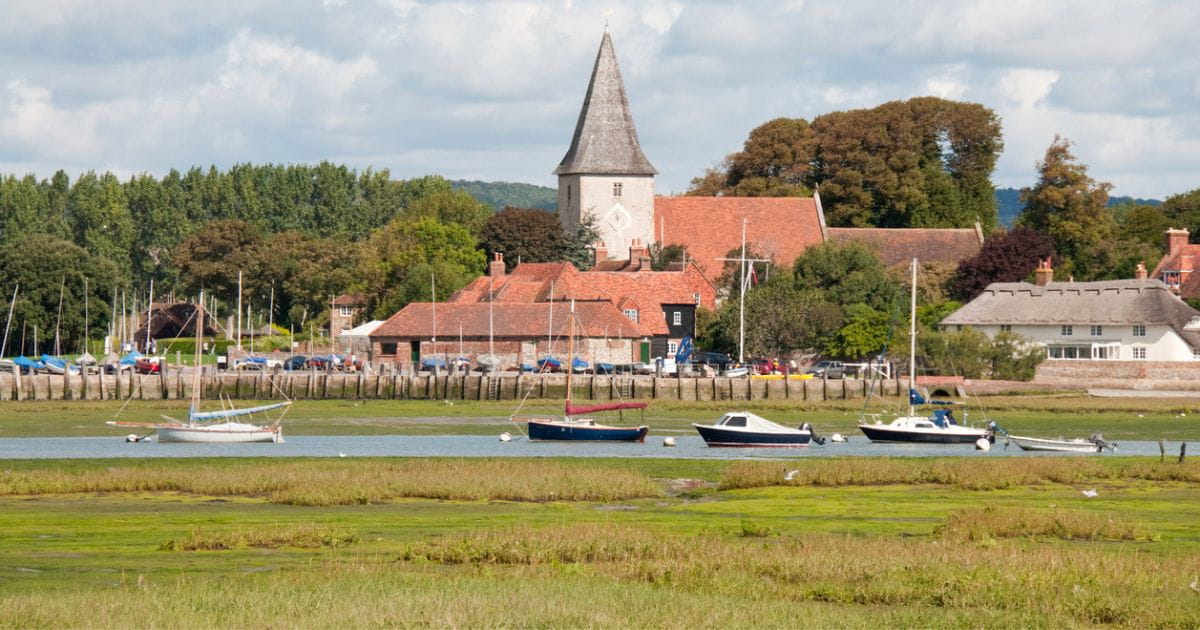
After taking in all that impressive history, head towards Bosham Quay. The Bosham Channel that Harold sailed from is now a tranquil stretch of water, lined with boats and salt-marsh landscapes. It’s hard to imagine the drama about to unfold in the tapestry when you’re enjoying the tranquillity of the area today, which is part of the charm.
This was the beginning of Harold’s journey to Normandy in the tapestry’s narrative, a journey that would eventually lead to his confrontation with William. The embroidery depicts Harold’s departure from Bosham before his capture in Ponthieu and subsequent arrival at William’s court in Normandy.
Take a moment to stand and take it all in, imagining how Harold might have felt as he sailed off to France. Once you’ve had your fill of history, grab an ice cream from the craft centre and enjoy the stunning views across the water.
- Address: Bosham Quay, Bosham, Chichester PO18 8HR
- How to get there: From the church, it’s a 2-minute walk to Bosham Quay - you can’t miss it.
- Plan your visit: bosham.org
Explore the village
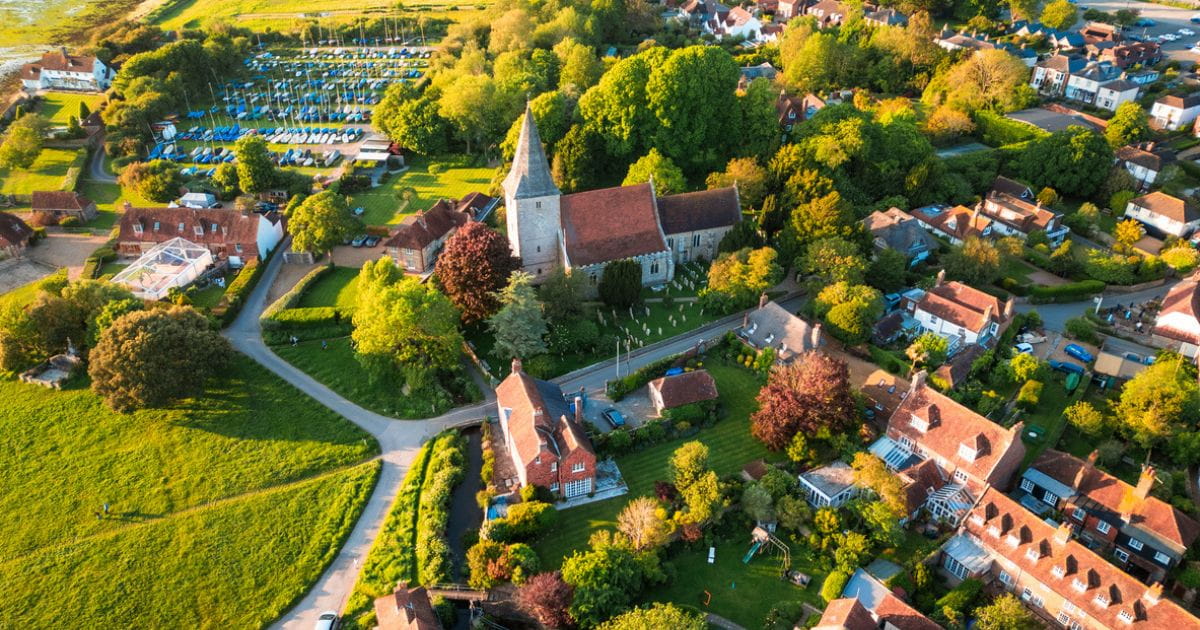
Once you’ve explored the church and followed Harold’s story to the quayside, spend some time getting to know the village beyond its 1066 connections. Its historic streets are dotted with independent shops, galleries and places to stop for something to eat or drink.
When it’s time for coffee and cake, Shoreside Café sits in the heart of the village, while Pop-in is a handy spot for coffee, homemade cakes and something savoury to take away. Both are run by the Millstream Hotel and use freshly prepared and baked goods.
For something more substantial, settle in at The Anchor Bleu, a traditional village pub on the High Street, or The Berkeley Arms, where a menu of hearty pub classics, fresh fish and homemade pies makes a tempting end to a morning of exploring.
Stop 2: Pevensey - Where William’s invasion began
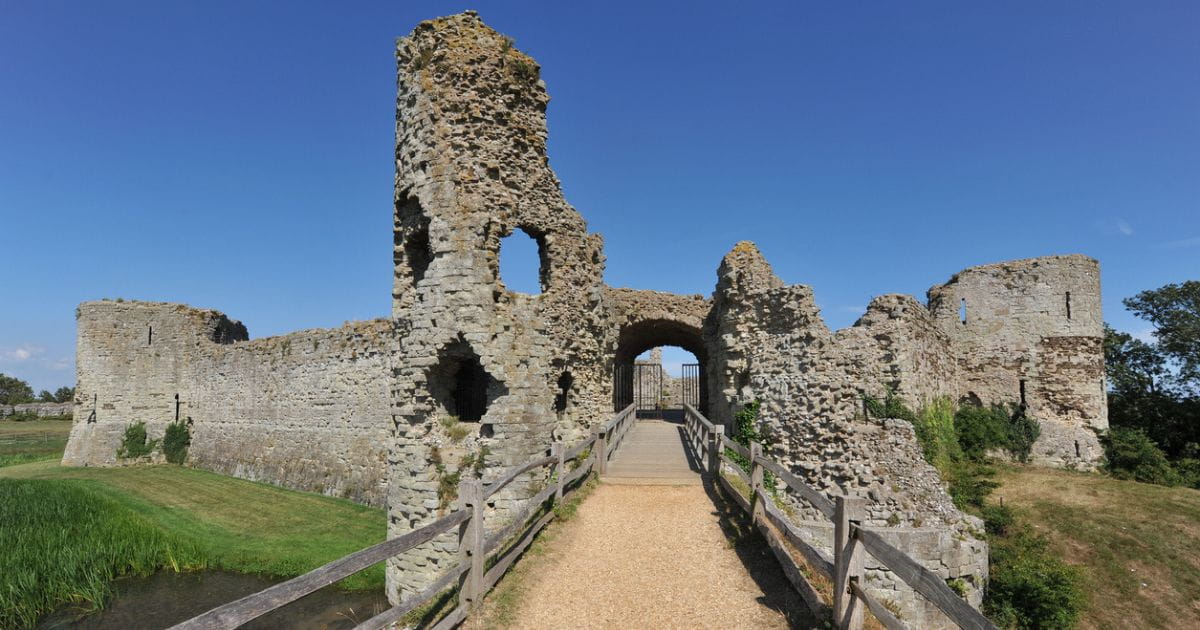
From Harold’s Sussex stronghold, follow the story east. Three days after Harold’s victory over the Norwegian army at Stamford Bridge, William Duke of Normandy arrived on the Sussex coast. On 28 September 1066, his fleet of around 700 ships entered Pevensey Bay.
The landscape you see today is markedly different from the one William would have experienced. In 1066, Pevensey was a peninsula surrounded by low-lying marshland and tidal water, making it a useful natural harbour and defensive position. William’s men quickly established a temporary fortification within the walls of the old Roman fort: the Norman invasion had begun.
Read more: Discover Pevensey: From castle ruins to blue sea and beaches
Explore Pevensey Castle
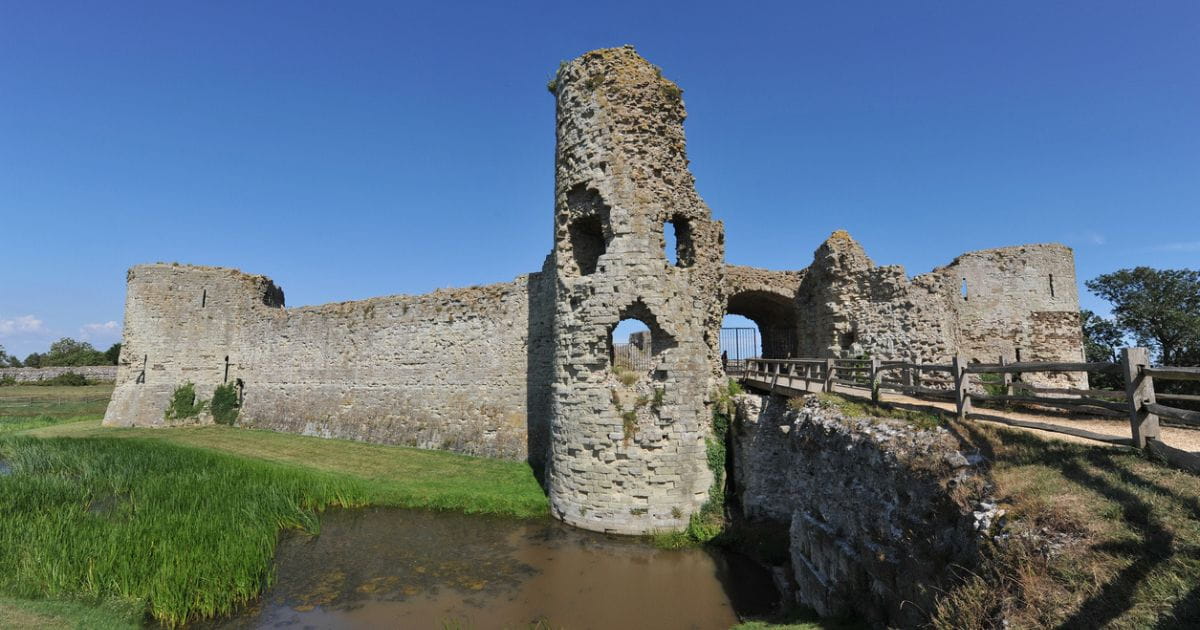
Today, Pevensey Castle is the place to get closest to that extraordinary moment. The enormous Roman walls still dominate the landscape, while the later medieval castle occupies the space within them. William’s original fortification was temporary, but the site’s strategic importance endured, and a more substantial Norman castle developed here after the Conquest.
Walk along the surviving walls and through the castle ruins and you‘ll realise why William chose this spot for his Norman invasion. From a modern vantage point, the surrounding landscape feels open and peaceful. In September 1066, it was the beachhead of an invading army.
Inside the castle, look out for the remains of the medieval keep, gatehouse, and other structures, as well as the Roman fortifications beneath them. There are also exhibits exploring the site's much longer history, from Roman Britain through the Norman period and beyond.
- Address: Castle Road, Westham, Pevensey, BN24 5LE
- How to get there: If you’re continuing your 1066 journey from Bosham, take a Southern train to Pevensey & Westham railway station. You’ll need to change at Barnham and Brighton. You can also take Southern services from London Victoria, and from Brighton it takes less than an hour. From Pevensey & Westham station, it’s an easy 10-minute walk to the castle.
- Plan your visit: www.english-heritage.org.uk/visit/places/pevensey-castle
Find the coastline of 1066
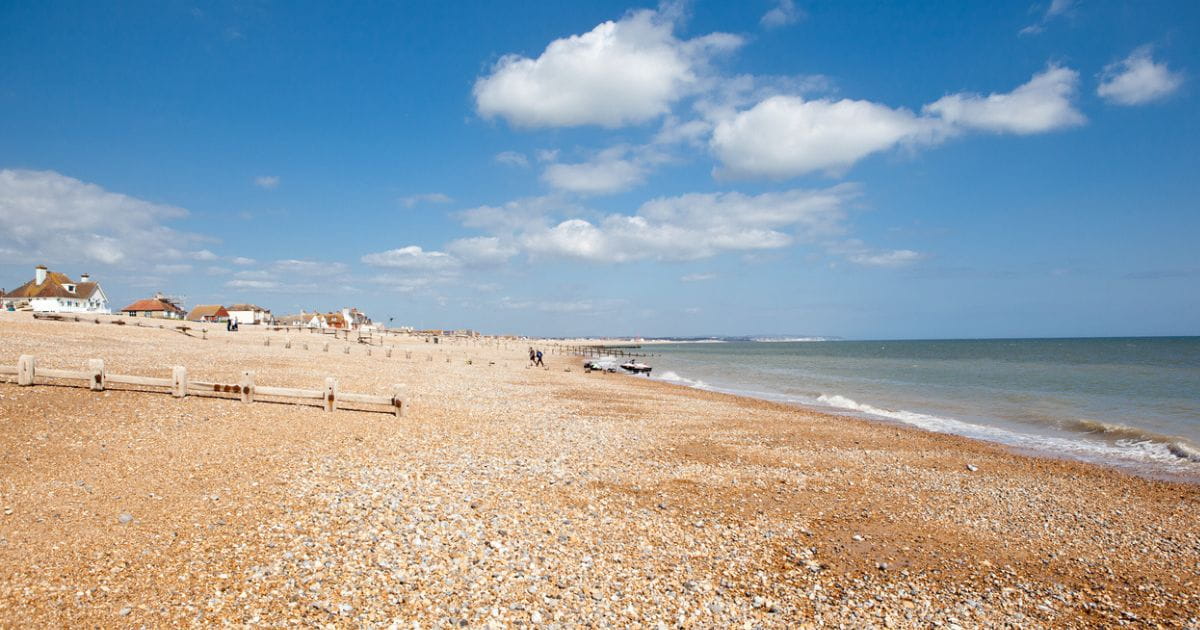
One of the most fascinating things about visiting Pevensey is realising just how much the landscape has changed. The coastline is now roughly a mile from the castle, but in 1066 the sea and tidal marshes came much closer. Ships could navigate the watery landscape around the Roman fort, allowing William’s army, horses and equipment to be brought ashore.
Standing here with the tapestry fresh in your mind, it becomes easier to picture the scene: ships crowding the shallows, horses being unloaded, soldiers coming ashore, and William establishing a foothold before marching his army towards Hastings.
Discover more of Pevensey
Before hopping back on the train, take some time to explore more of the beautiful, historic Sussex village. Wander along the High Street, where weather-boarded cottages, old inns and small cafés give the place a distinctly Sussex character. The village is compact, so it’s easy to explore on foot, with plenty of history tucked into its streets.
Look out for St Nicolas Church, which has stood at the heart of Pevensey for around eight centuries. The church is a reminder that this was much more than William’s landing place: Pevensey grew into an important medieval port, and its fortunes were closely tied to the sea.
For another glimpse into the village’s colourful past, visit Pevensey Court House Museum and Gaol. The 18th-century building was once the village’s town hall and jail, and you can still see its original cells, exercise yard and courtroom. Its exhibits delve into local history, including Pevensey’s smuggling past.
Then follow the road towards the coast and consider how different this landscape would have looked in 1066. Pevensey was once surrounded by tidal water and marshland, with a harbour close to the castle. Centuries of shingle accumulation gradually changed the coastline, leaving the Pevensey Levels behind as the sea retreated.
If you have time, continue to Pevensey Bay for a bracing walk along its shingle beach. Today, the coastline feels peaceful and open, but standing here brings you closer to the geography of William’s arrival: this was the coastal landscape where his fleet came ashore before the Norman army moved inland.
Back in the village, settle down for a drink or something to eat at The Royal Oak & Castle, a traditional pub overlooking the castle. For afternoon tea and cake, Castle Cottage Tearoom makes a charming stop just off the High Street.
Stop 3: Hastings - Where the story reaches its climax
By the time you reach Hastings, the tension in the Bayeux Tapestry has been building for hundreds of stitches. William has landed, Harold has marched south, and the two armies are finally heading towards one another.
There’s an important distinction to make here: the Battle of Hastings was not actually fought in Hastings, despite its name. The battle took place about seven miles inland, at the site now occupied by Battle Abbey and its surrounding battlefield. On 14 October 1066, Harold’s English army took up position on the ridge while William’s forces attacked from below.
That battlefield makes an excellent addition if you have time, but Hastings itself is where the Norman story continued to unfold.
Read more: The 1066 Country walk
Discover Hastings Castle
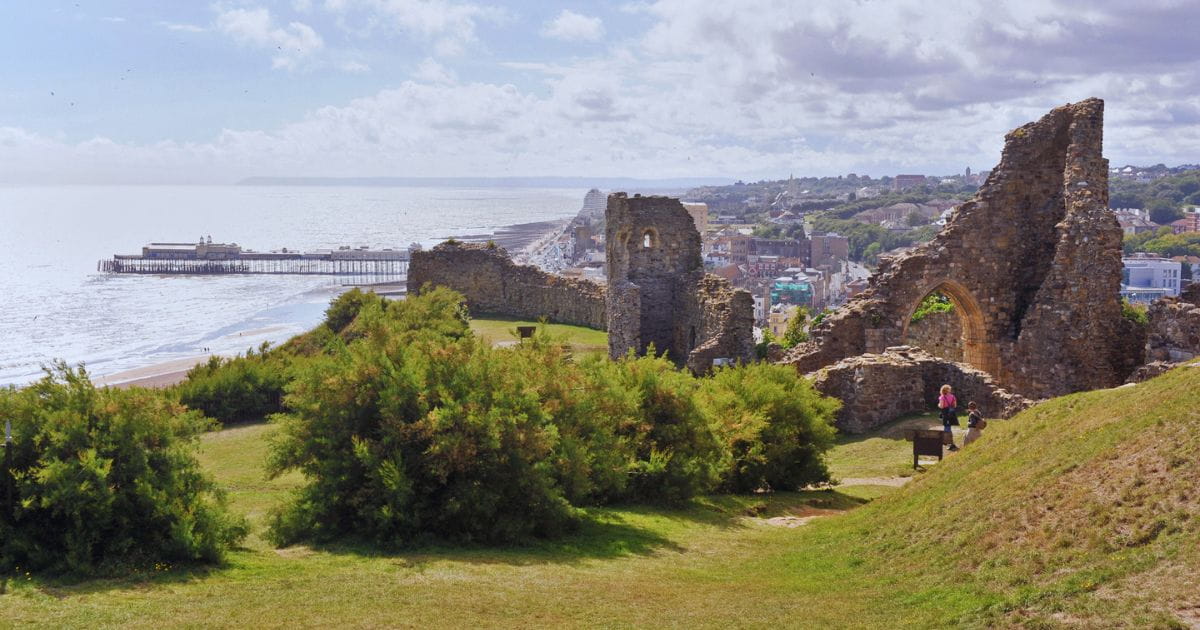
Start at the remains of Hastings Castle, William’s first Norman castle in England. The ruins occupy a dramatic position high above the Old Town and English Channel. From here, the geography of the invasion starts to make sense: the coast, the harbour and the surrounding hills all form part of the landscape William was trying to control.
Construction on the castle began soon after the Norman Conquest and became an enduring symbol of William’s victory. Today, its weathered remains offer a striking counterpoint to the vivid, crowded scenes of the Bayeux Tapestry.
- Address: Castle Hill Road, Hastings, TN34 3HY
- How to get there: It’s worth combining your visit to Hastings with your visit to Pevensey as they are so close. From Pevensey & Westham station, it’s just over 20 minutes direct to Hastings by train. From Hastings railway station, it’s an easy 15-minute walk to Hastings Castle.
- Plan your visit: hastingscastle.org.uk
Ride the East Hill Cliff Railway
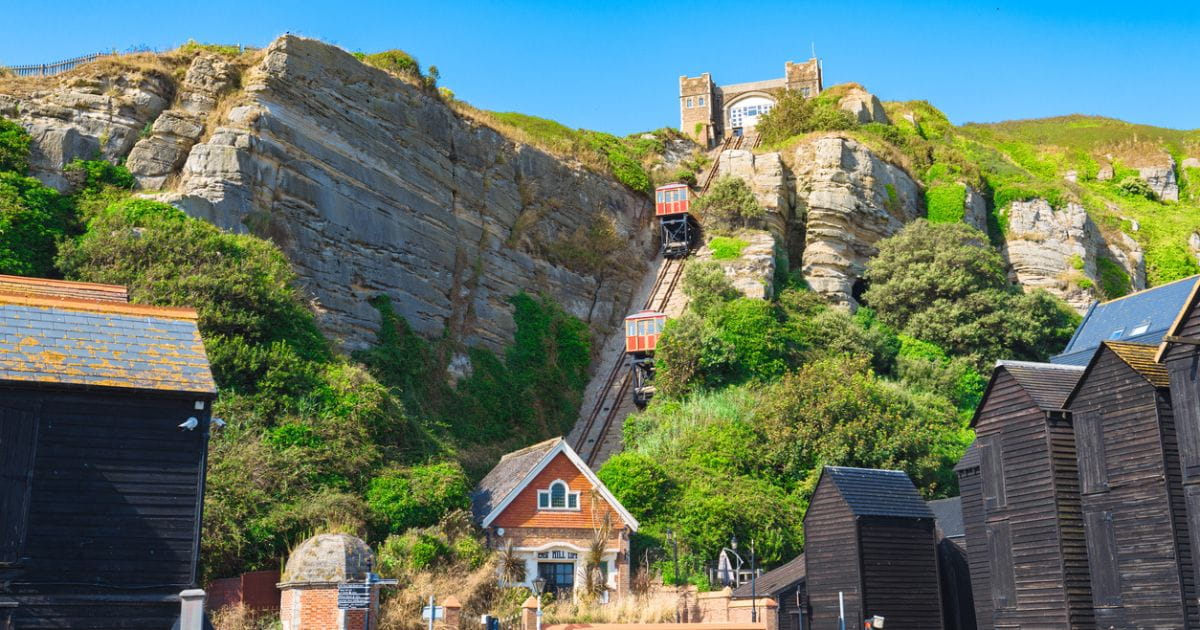
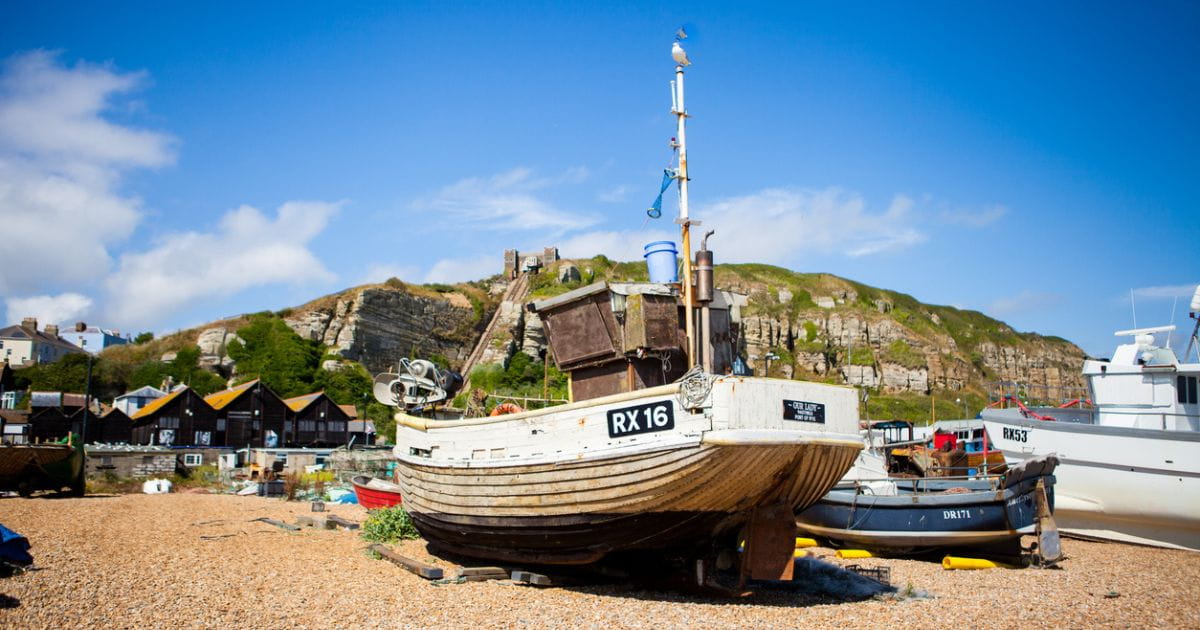
For one of the most enjoyable ways to see Hastings from a different angle, climb aboard the East Hill Cliff Railway. Opened in 1902, the historic funicular is the steepest in the UK, carrying passengers from Rock-a-Nore Road in the Old Town up to the edge of Hastings Country Park.
The journey itself isn’t too long, but the view at the top is the real reward. From here, the town falls away towards the Channel, with sweeping coastal views and the fishing boats of Hastings spread out below. You can then continue into Hastings Country Park, where clifftop paths lead into one of the most dramatic stretches of coastline around the town.
After following the story of 1066 through Bosham and Pevensey, this is a fitting place to pause and take in the landscape. The tapestry may tell the story in stitches, but here the sea and cliffs give you a very different sense of the setting in which the events unfolded.
The East Hill Lift has step-free access and can accommodate wheelchairs and pushchairs.
- Address: East Hill, Rock-a-Nore Road, Hastings, TN34 3EG
- How to get there: From Hastings Castle, it’s an easy 14-minute walk to the cliff railway.
- Plan your visit: www.hastings.gov.uk/coastlinebeaches/cliff-railways
