

Please note: This article includes discussion of mental health challenges, personal crisis and recovery.
When people ask me what Armed Forces Day means to me, the first thing that comes to mind is the brotherhood.
For me, Armed Forces Day is about reconnecting with fellow veterans, rekindling old friendships, and sharing stories with people who understand exactly what that part of my life was like. It's a chance to reflect on the hard work, sacrifice and commitment that servicemen and women have given to defend our country, but it's also about community.
Alongside Remembrance Day, Armed Forces weekend is one of the most poignant times of the year for me. It's an opportunity to come together, remember those experiences and celebrate the friendships that never really fade.
From Army Cadets to the British Army
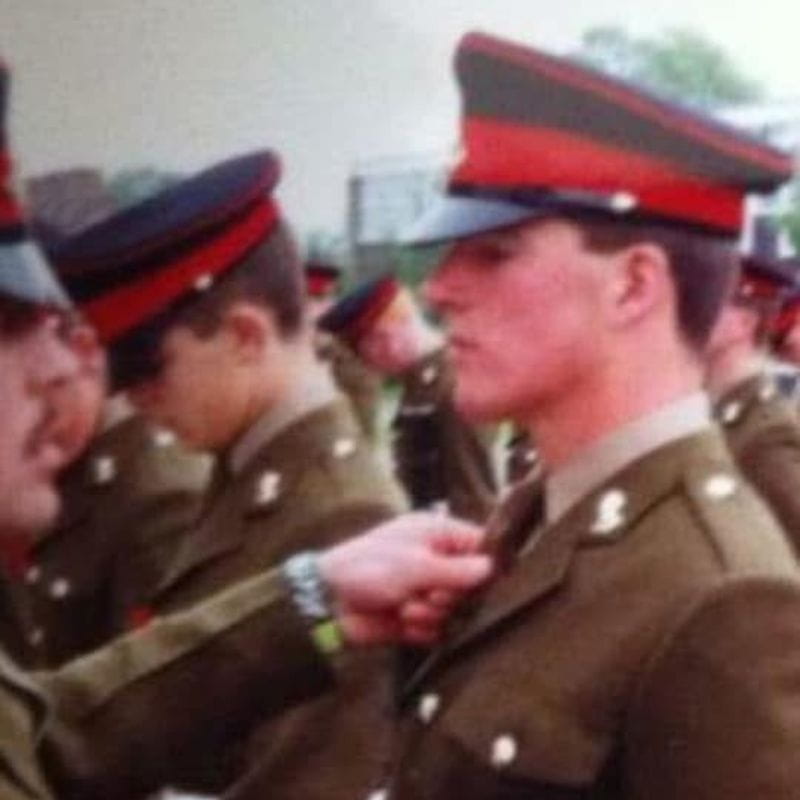
My journey into the military started long before I officially joined the Army. As a child, I was obsessed with military history. I loved Spitfires, war films and anything connected to aviation. My ambition was to join the RAF and become a pilot.
When I was 13, I spent an evening with both the Air Cadets and Army Cadets in Newhaven. Looking back, the reason I chose the Army Cadets was probably not the most sophisticated decision I've ever made. The Air Cadets were wearing what I thought were fairly boring uniforms, while the Army Cadets were dressed in camouflage. To a 13-year-old boy, camouflage looked far more exciting.
I joined the Army Cadets and realised it was more than the uniform. I found something that really resonated with me; it felt like an inner calling. The moment I turned 16, I headed straight to the Army careers office.
My time in the Army
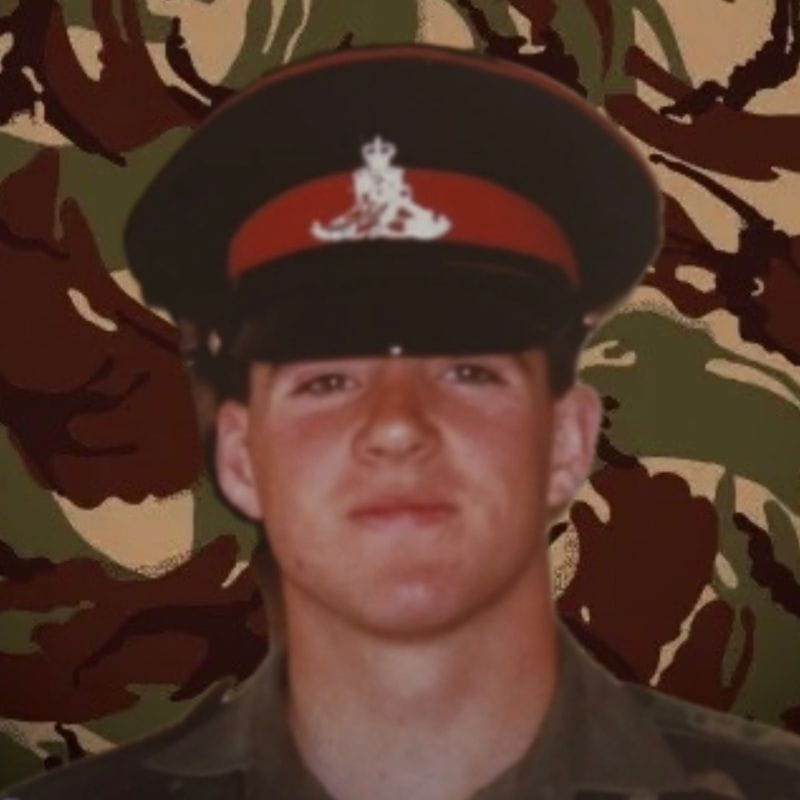
I became a junior soldier in 1990 and, after training, was posted to 16 Air Defence Regiment Royal Artillery in Kirton Lindsey, North Lincolnshire. I worked as a surface-to-air missile operator and Battery Headquarters signaller.
After around six months, I was offered the opportunity to join 7th Parachute Regiment Royal Horse Artillery because of my fitness levels at the time. Before I could do that, I had to pass P Company, one of the toughest physical tests in the British Army.
Fortunately, I was fitter then than I am now.
Passing P Company remains one of my proudest achievements. I joined G Battery and became part of a gun troop operating the air-portable 105mm field gun. During my service, I completed a six-month United Nations tour in Cyprus, helping provide perimeter security within the buffer zone between Turkish and Greek forces.
I never experienced active combat during my military career, something I remain grateful for, but I still had experiences that shaped me for life.
What Army life meant to me
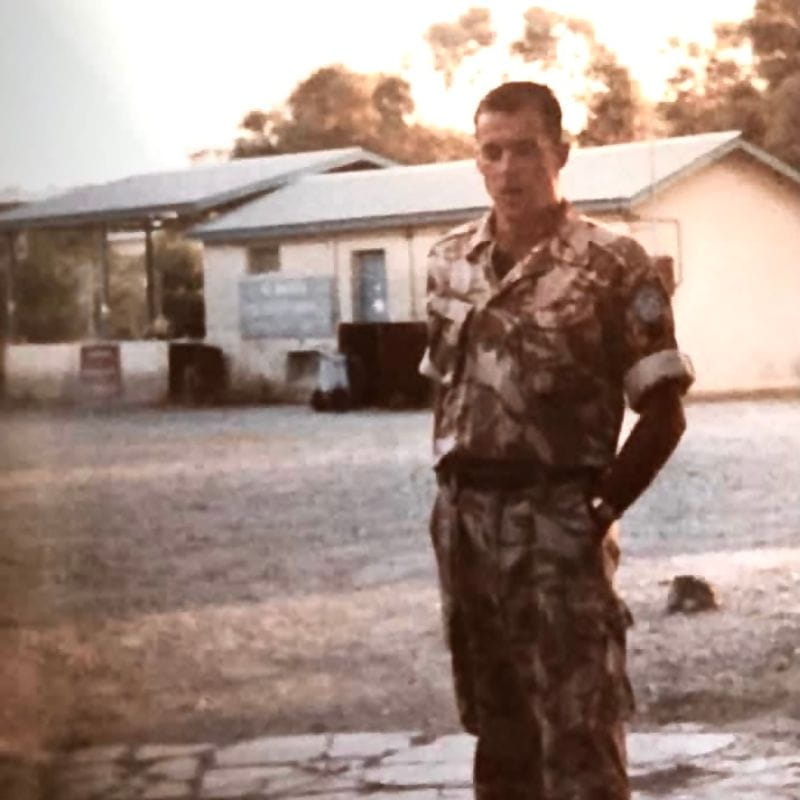
More than anything else, I remember the camaraderie. The fitness, the training and the travel were all incredible experiences, but it was the people who made military life special. We were all working towards the same goal, relying on one another and looking out for each other every day.
Even now, decades later, many of us still stay in touch. We have a WhatsApp group, we meet up every year and I have a strong network of veterans around me. That bond never disappears.
When everything changed
I always believed I would spend my career in the Army, to serve my full 22 years and build my life around the military. Instead, everything changed when I suffered a serious back injury during an exercise on Salisbury Plain. The injury eventually led to a medical discharge. I was only 22 years old.
A turning point
Not only was I dealing with the physical consequences of the injury, but I was also struggling mentally. My entire identity was wrapped up in being a soldier. I hadn't built an alternative plan because I never thought I'd need one.
Suddenly I wasn't in the Army anymore, and I didn't know who I was supposed to be. The transition into civilian life was incredibly difficult. Because of my injury, I couldn't work straight away, and I found myself drinking heavily and struggling to cope with what had happened.
One day, during a particularly difficult period, I found myself in crisis and realised I needed help. A member of a local support team approached me and asked if I'd like a cup of tea. He sat with me, listened and helped me find a way forward. That moment became the wake-up call I desperately needed. It made me realise that things had to change.
Rebuilding my life
The Army had taught me resilience, discipline and determination. At my lowest point, I drew on those same qualities to rebuild my life. I found work in the pub and restaurant industry and spent the next 20 years building a successful management career.
Looking back, many of the skills that helped me progress came directly from my military background. The ability to lead people, remain calm under pressure, work as part of a team and take responsibility all transferred naturally into civilian life. Over time, I rebuilt my confidence, my career and my sense of purpose.
The unexpected path to becoming an author
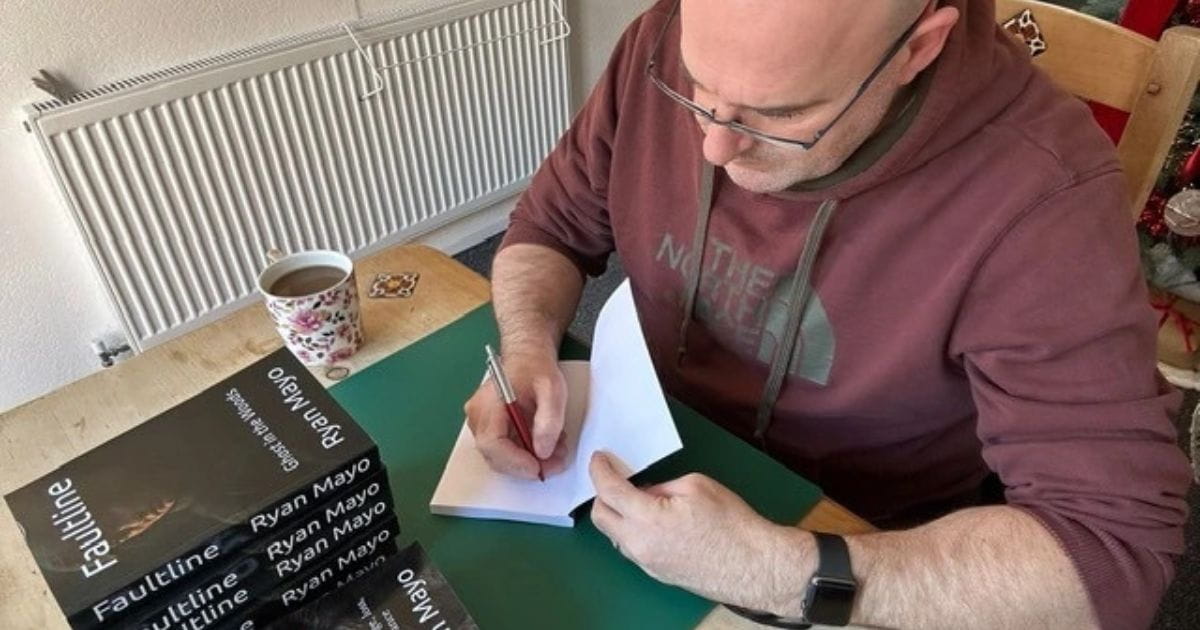
One thing I never expected to become was a writer. If you'd told me during my Army days that I'd one day publish multiple novels, I would have laughed. In fact, when I look back at the letters I sent home from Cyprus, the spelling and grammar were pretty terrible.
My writing journey began because of my son, Jack. A few years ago, he bought me a "write your own memoir" journal. It contained prompts about childhood memories, school years and key moments in life. As I started filling it in, memories I hadn't thought about for years began coming back.
I found myself writing about basic training, firing missiles in the Hebrides, parachuting, Cyprus, and the friendships I'd formed along the way. The more I wrote, the more I realised I had interesting stories to tell
At the same time, I was spending time with fellow veterans through support groups and volunteering with Blind Veterans UK in Rustington. I listened to stories from men and women who had served in conflicts across multiple generations, from Borneo in the 1960s to the Falklands and Iraq.
Those conversations reinforced something I had begun to realise while writing my memoir, that there are countless stories about real soldiers that deserve to be told.
Bringing military experiences to life through fiction
That idea eventually became my first novel, The Lost Hero, and part of the inspiration came from my own family. My grandfather suffered from dementia and passed away while I was serving in Cyprus. I also drew inspiration from watching my own son begin his military career.
I wanted to write about service, family, loss, remembrance and the connections that run between generations. The Lost Hero became the first book in my Faultlines of War series.
Since then, I've published Ghost in the Woods and When the Shooting Stops, each exploring different aspects of military life and its lasting impact.
Although the books are military thrillers, they're fundamentally human stories. They focus on courage, duty, friendship, resilience and the reality that conflict often leaves emotional scars long after the fighting ends
What started as a memoir became a passion
My goal has always been to write authentically. I never wanted to glamorise military life or create unrealistic heroes. I wanted to tell honest stories about ordinary people facing extraordinary circumstances.
Once I'd written one book, I immediately wanted to write another. Today, I'm working on the next instalment in the series, Heat and Regret, which continues exploring themes of loyalty, trauma, consequence and the emotional cost of conflict.
A new chapter on the railway
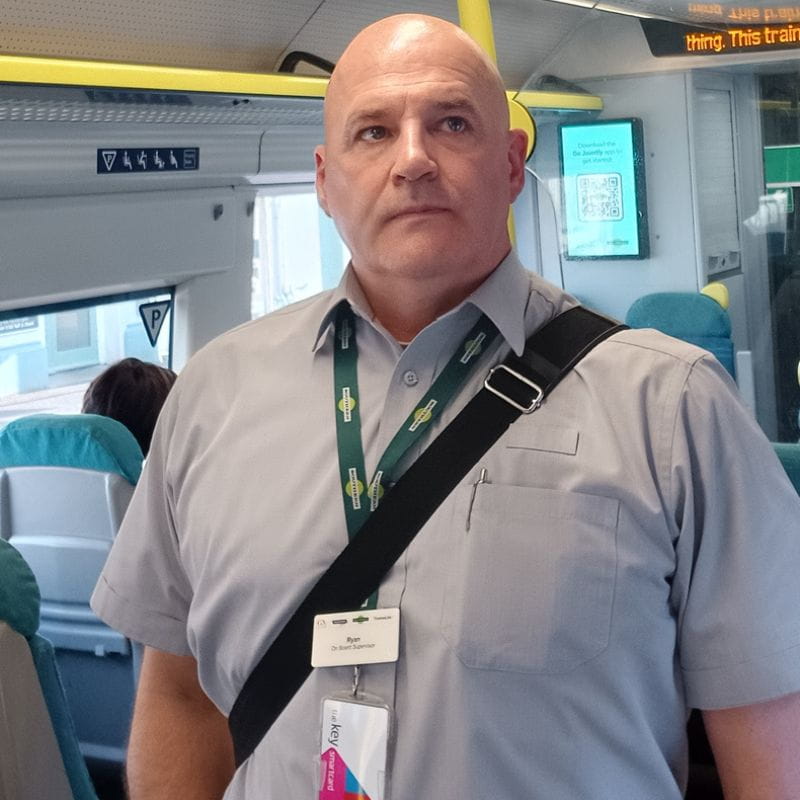
After two decades running pubs, I decided it was time for another challenge. I took six months off before a friend encouraged me to consider a career on the railway. I spotted an opportunity to become an On Board Supervisor (OBS) with Southern and decided to apply.
Today, I'm also an OBS mentor, helping support and develop colleagues entering the role. Mentoring is something I genuinely enjoy because it allows me to pass on knowledge and help others succeed.
Many of the skills I developed in the Army still help me every day. Punctuality, discipline, adaptability and remaining calm under pressure are all essential on the railway. Whether it's dealing with disruption, making announcements or supporting customers during difficult situations, I try to approach every challenge with the same steady mindset I learned during my military career.
I enjoy helping people solve problems, answering questions and making their journeys easier. If I can help someone step off the train with a smile on their face, that's a good day.
Looking forward while honouring the past
One of the proudest moments of my life was attending my son Jack's passing out parade. Being able to watch him begin his own military journey was incredibly special. It also gave me the opportunity to share advice I wish someone had given me when I first joined. I couldn't be prouder of him, and all of my children.
As Armed Forces Day approaches, I'm reminded once again of the importance of the veteran community and the support networks that surround us.
If there's one message I'd like people to take away, it's this: it's good to talk. You don't have to deal with life's challenges on your own. Whether it's friends, family, fellow veterans or support organisations, having people around you can make all the difference. Reaching out isn't a sign of weakness. It's a sign of strength.
The military teaches us to look after one another, and that's something that shouldn't stop when service ends. For me, Armed Forces Day is a celebration of exactly that. The friendships, the support, the shared experiences and the brotherhood that stays with you for life.
If you have been affected by any of the issues discussed in this article, support is available. Please speak to someone you trust, contact your GP, or reach out to a support organisation such as the charity Samaritans on 116 123 or at samaritans.org.